The ex-chief of a disability charity has pleaded not guilty to defrauding the charity’s pension scheme of £250,000.
Patrick McLarry, who headed up Yateley Industries for the Disabled in Hampshire, denied fraud at Winchester Crown Court yesterday, 28 May, an offence which holds a maximum prison sentence of 10 years.
His wife, Sandra McLarry, also plead not guilty to four counts of money laundering, with a maximum sentence of 14 years, the first case of its type brought by The Pensions Regulator (TPR).
The offences took place between April 2011 and September 2013, at which point Patrick McLarry was both chief executive and chairman of the charity. He was also director of the corporate trustee of the charity’s pension scheme.
The pleas mean they will now appear at Salisbury Crown Court for trial on 11 November.
It is the second criminal conviction brought on Patrick McLarry by TPR, after he was ordered to pay £6,500 for refusing to give information linked to an investigation into unusual scheme investments.
Theo Andrew is senior reporter at Pensions Age, a magazine for the pensions industry from the publishers of Charity Times.

Latest News
-
Charities urge PM to put them ‘at the heart of his plans to rewire the British state’
-
CEO’s departure after only seven months sees charity consider previous candidates
-
Q&A: John Hannaford on balancing immediate needs with long-term impact
-
More than half of UK adults set to donate to charity over the next year, research finds
-
National Lottery funder calls for remit overhaul and more distributor link ups
-
Loss of NHS funding and rising costs force cancer charity to close





Beyond the funding squeeze: Using equities to secure your charity’s future
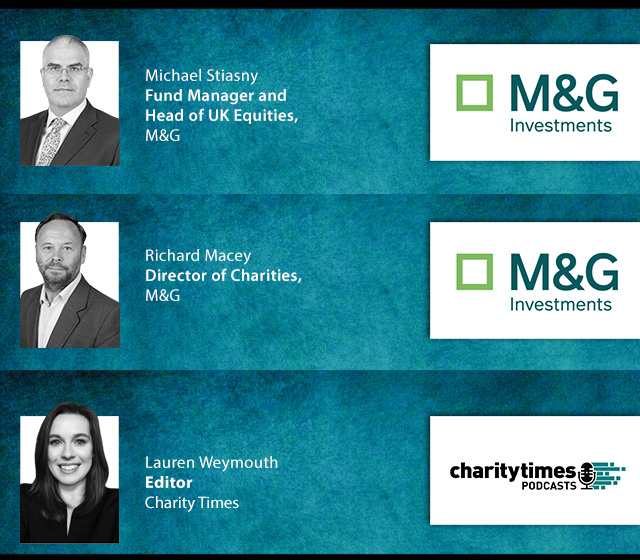
With charities facing increasing financial pressure and traditional income streams under strain, making investments work harder has never been more important. M&G’s Richard Macey and Michael Stiasny join Charity Times to discuss why equities remain a vital long-term asset class for charities, how organisations can balance income generation and growth, and the opportunities the current market environment may offer to help strengthen financial resilience.
Charity Times Awards 2023
Charity Times video Q&A: In conversation with Hilda Hayo, CEO of Dementia UK
Charity Times editor, Lauren Weymouth, is joined by Dementia UK CEO, Hilda Hayo to discuss why the charity receives such high workplace satisfaction results, what a positive working culture looks like and the importance of lived experience among staff. The pair talk about challenges facing the charity, the impact felt by the pandemic and how it's striving to overcome obstacles and continue to be a highly impactful organisation for anybody affected by dementia.




© 2021 Perspective Publishing Privacy & Cookies
Recent Stories