There is now “little difference” in artificial intelligence adoption between small and large charities, early findings from this year’s forthcoming Charity Digital Skills Report suggests.
Zoe Amar Digital, which is compiling the report, says that last year there was a “clear gap” in AI use, with nine in ten large charities using the technology, compared to under three in four small charities.
But “this gap has now closed”, says the consultancy based on the 240 responses it has received so far, which includes the views of 140 small charities.
Across all charities almost nine in ten are using AI tools as “part of everyday work” compared to just over three in four last year.
Just under half are either “actively or strategically using AI tools”, nearly double 2025’s findings.
Seven in ten charities that are using AI are deploying tools for administration and project management, while two in five are using it to create social media content. More than one in three are using AI tools for grant fundraising.
One respondent said that AI use has “saved us a huge amount of money on development of a new service platform for our beneficiaries” adding “ before we didn’t have a joined-up service for all beneficiaries online … now we do.”
Challenges in using digital
However, the early findings also show that “charities are grappling with real challenges” around their use of digital, according to Zoe Amar Digital.
More than half are warning that “limited skills are holding them back”.
“Concerns about quality, ethics and environmental impact are all growing. And we're hearing powerful reflections about what it means when AI starts to change the nature of day-to-day work and relationships,” added the consultancy.
“I am concerned about the ethical and environmental impact,” said one respondent.
“I also don’t want to lose our human heart and the skills that we bring to our work. In my work I see a lot of organisations overly relying on AI, producing hard to read, nonsense slop and I don’t want that for us.”
Concerns around quality were also raised in a report by academics last month into the use of AI images in NGOs' campaigning. This warned that their use risks harming charities’ reputation as they can distract from the good causes they are promoting.
More responses needed
Zoe Amar Digital is urging more charity representatives to take part ahead of the report’s survey deadline of 5pm, 20 April
The survey takes around 20 minutes and seven in ten people who have taken part say it has “helped them think about what they need to do next” regarding their relationship with digital, according to the consultancy.
It adds that respondents can also win prizes, including ten free places on a Media Trust Communications Course, and registered charities can enter a draw to win one of five prizes of £300 unrestricted funding.
The full findings from this year’s report will be published in July.


Latest News
-
Arts venue charity to close after ‘exhausting all possible alternatives’
-
Hospice charity repeatedly targeted by criminals launches appeal to improve security
-
Children’s charity refreshes brand to be clearer ‘about who it is’
-
Monday movers – 12 October 2026
-
Council terminates charity’s £8.57m children's care home contract early amid staffing concerns
-
Charity boss shows her 'vulnerability' as she posts emotional grant rejection video


Beyond the funding squeeze: Using equities to secure your charity’s future
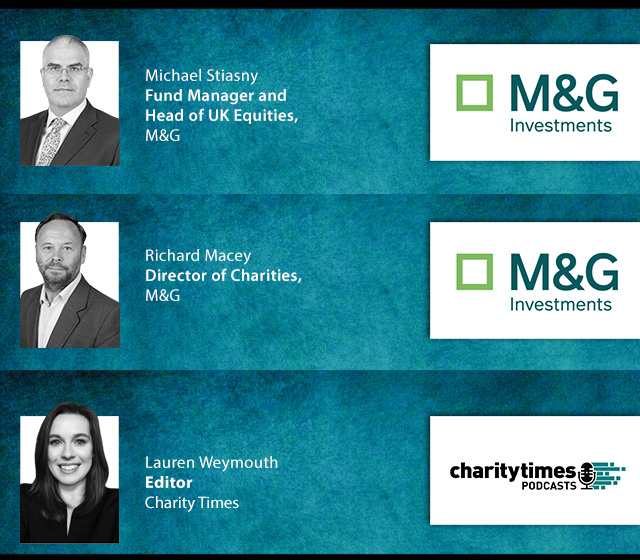
With charities facing increasing financial pressure and traditional income streams under strain, making investments work harder has never been more important. M&G’s Richard Macey and Michael Stiasny join Charity Times to discuss why equities remain a vital long-term asset class for charities, how organisations can balance income generation and growth, and the opportunities the current market environment may offer to help strengthen financial resilience.
Charity Times Awards 2023
Charity Times video Q&A: In conversation with Hilda Hayo, CEO of Dementia UK
Charity Times editor, Lauren Weymouth, is joined by Dementia UK CEO, Hilda Hayo to discuss why the charity receives such high workplace satisfaction results, what a positive working culture looks like and the importance of lived experience among staff. The pair talk about challenges facing the charity, the impact felt by the pandemic and how it's striving to overcome obstacles and continue to be a highly impactful organisation for anybody affected by dementia.



© 2021 Perspective Publishing Privacy & Cookies
Recent Stories