Around two in five charity websites need improvements to ensure they are accessible to all visitors, a study has found.
Communications agency Warbox analysed Google’s accessibility scores for more than 1,200 websites in the UK, across 14 sectors.
It found that 39% of charity websites need improvements to ensure those with disabilities and who are neurodiverse can access them.
Despite concerns raised charities are still performing better than many other sector.
Overall, around half of websites across all sectors require improvement, with the worst including tourism, hospitality and fashion.
Only among councils, GP surgeries and utilities do fewer sites require accessibility improvement, found the study.
Problems online visitors with additional needs encounter include small font sizes and low colour contrast.
Warbox cites research released by tech firm Samsung which found that four in five adults with a disability feel excluded by poor website accessibility.
“Creating an accessible website doesn’t have to be expensive and it should be built-in from the start,” said Warbox director Mark Fensom.
“Some simple changes like adding image and video descriptions, making sure buttons are easy to spot and forms have the right labels, are a good place to start.
“A web developer can handle the technical side but ultimately, it's a brand's duty to champion website accessibility for their customers.”
Accessible marketing consultant Tania Gerard, who is neurodivergent, said ‘when accessibility is poor’ visitors ‘don’t just leave a website; they form a lasting impression’ of a brand.
Organisations are urged to ensure their websites adhere to the Website Content Accessibility Guidelines (WCAG), even though they are not mandatory for most online content.
This was published more than 25 years ago, says Warbox, which adds “yet many brands are still struggling to provide an inclusive online experience. As more businesses shift to e-commerce and the search landscape evolves, accessibility is even more important to reaching customers and creating memorable, positive experiences.”
Previous research released by Warbox in April found that charity brands are among the worst for online experiences.
Charity sector websites have a an average performance score at 78 – with anything between 50-89 needing improvement, according to Google.


Latest News
-
Council terminates charity’s £8.57m children's care home contract early amid staffing concerns
-
Charity boss shows her 'vulnerability' as she posts emotional grant rejection video
-
English speaking fundraising ideas may be ‘crowding out’ local strategies
-
Friday funding round up – 9 October
-
Charity charged with corporate manslaughter following fatal boating incident
-
CEO retires after 40 years with mental health charity


Beyond the funding squeeze: Using equities to secure your charity’s future
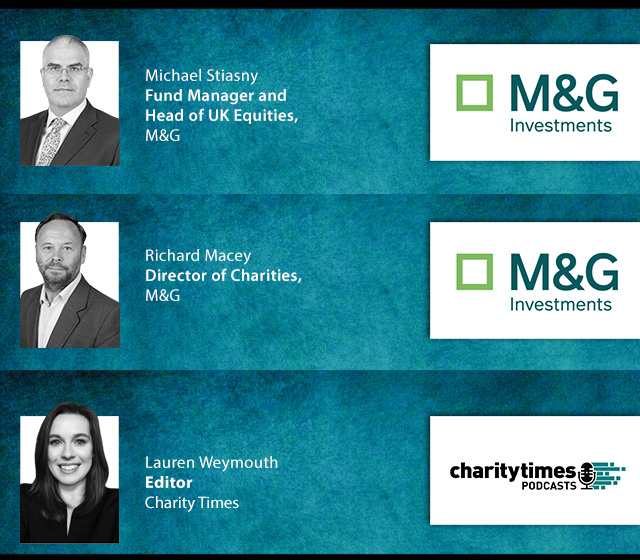
With charities facing increasing financial pressure and traditional income streams under strain, making investments work harder has never been more important. M&G’s Richard Macey and Michael Stiasny join Charity Times to discuss why equities remain a vital long-term asset class for charities, how organisations can balance income generation and growth, and the opportunities the current market environment may offer to help strengthen financial resilience.
Charity Times Awards 2023
Charity Times video Q&A: In conversation with Hilda Hayo, CEO of Dementia UK
Charity Times editor, Lauren Weymouth, is joined by Dementia UK CEO, Hilda Hayo to discuss why the charity receives such high workplace satisfaction results, what a positive working culture looks like and the importance of lived experience among staff. The pair talk about challenges facing the charity, the impact felt by the pandemic and how it's striving to overcome obstacles and continue to be a highly impactful organisation for anybody affected by dementia.




© 2021 Perspective Publishing Privacy & Cookies
Recent Stories