The Charity Commission has updated its guidance to trustees around managing conflicts of interest following a “sharp rise” in cases involving allegations of private benefit abuse in charities.
It said that “conflicts involving trustees and their private interests were a recurring factor in many of these cases, representing an ongoing risk to the public’s trust in the wider charity sector”.
The update for the regulator's C29 guidance aims to support trustees in identifying and managing conflicts of interest and protecting their charity.
The refreshed guidance is “shorter, clearer and includes common examples of situations in which a conflict of interest can arise in a charity”, said the regulator.
The Commission warns that most unmanaged conflicts “arise from or are facilitated by a lack of awareness, rather than deliberate wrongdoing”.
Figures published by the regulator last year found that cases involving alleged abuse for private benefit had risen by almost a quarter in a year.
The regulator warns that figures to be published later this year “suggest that the upward trend may be continuing”.
The Commission’s assistant director of policy Rachel Wenstone said: “The vast majority of trustees give their time freely and generously, and we want to give them clear, practical guidance to help them do their jobs well.
“Our refreshed guidance will enable trustees to identify and manage conflicts of interest when these, to best protect themselves and their charities.
She added: “This matters -– the trust that the public place in charity can be shattered by the perception that some amongst those entrusted to protect a charity may be abusing it for personal gain.
“Trustees who fail to manage conflicts of interest, even unintentionally, risk becoming part of that problem, and our guidance will help them to avoid this.”


Latest News
-
Arts venue charity to close after ‘exhausting all possible alternatives’
-
Hospice charity repeatedly targeted by criminals launches appeal to improve security
-
Monday movers – 12 October 2026
-
Council terminates charity’s £8.57m children's care home contract early amid staffing concerns
-
Charity boss shows her 'vulnerability' as she posts emotional grant rejection video
-
English speaking fundraising ideas may be ‘crowding out’ local strategies


Beyond the funding squeeze: Using equities to secure your charity’s future
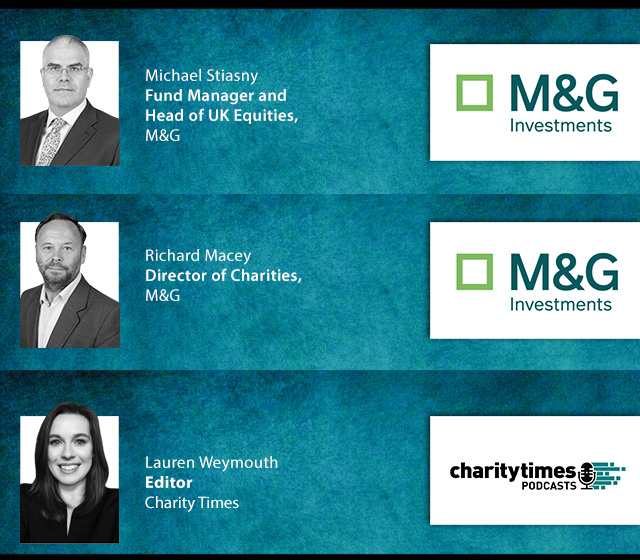
With charities facing increasing financial pressure and traditional income streams under strain, making investments work harder has never been more important. M&G’s Richard Macey and Michael Stiasny join Charity Times to discuss why equities remain a vital long-term asset class for charities, how organisations can balance income generation and growth, and the opportunities the current market environment may offer to help strengthen financial resilience.
Charity Times Awards 2023
Charity Times video Q&A: In conversation with Hilda Hayo, CEO of Dementia UK
Charity Times editor, Lauren Weymouth, is joined by Dementia UK CEO, Hilda Hayo to discuss why the charity receives such high workplace satisfaction results, what a positive working culture looks like and the importance of lived experience among staff. The pair talk about challenges facing the charity, the impact felt by the pandemic and how it's striving to overcome obstacles and continue to be a highly impactful organisation for anybody affected by dementia.




© 2021 Perspective Publishing Privacy & Cookies
Recent Stories