

Round the clock support for staff and access to an independent hotline to report concerns, are among measures being taken by the National Lottery Community Fund to tackle bullying and racism in its organisaton.
Last November a damning DCMS report found that one in three NLCF staff had “either witnessed or personally experienced, harassment or discriminatory behaviour”.
The report was published following allegations of a “culture of bullying” at the Lottery funder.
It found that Black and Asian staff were less likely that their white and dual heritage colleagues to believe that NLCF “was an inclusive and fair place to work”.
Action being taken includes setting up an ‘employee assistance programme’, that pledges to give staff “access to personal, confidential 24/7 support services”.
It has also set up “an independently administered helpline where staff can confidentially raise any concerns”.
The measures have been revealed in a six-month progress report from the funder on how it will improve its culture. Further updates are expected later this year and next year.
Other action being taken includes having “doubled down on our equity, diversity, and inclusion (EDI) ambitions.
“We are actively embedding equity, diversity and inclusion within our culture and across our grant making processes, ensuring our funding reaches all communities with demonstrable impact, reflecting the diversity of the UK,” said the funder.
“We have appointed a senior designated and accountable owner of the EDI agenda and we have also strengthened the capability within our People (HR) function, including recruiting additional expertise and launching new training and revised recruitment practices and processes.”
The next step being taken is to commission an independent governance review and widening the composition and skill base of its board through a public appointment process.
In last year’s review of the NLCF’s culture senior management and board members were criticised for “their perceived lack of diversity in composition”.
In addition, “recruitment, selection and promotion process were often cited as unfair”.
Poor handling of complaints attracted three times as many comments as any other topic related to bullying, discrimination, or harassment






Beyond the funding squeeze: Using equities to secure your charity’s future
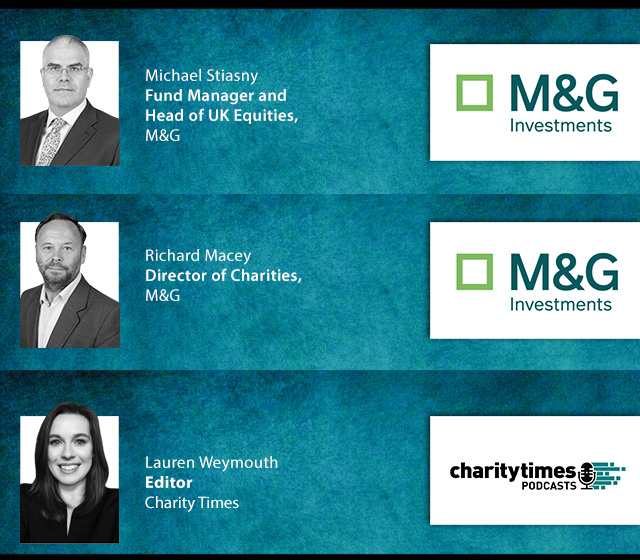
With charities facing increasing financial pressure and traditional income streams under strain, making investments work harder has never been more important. M&G’s Richard Macey and Michael Stiasny join Charity Times to discuss why equities remain a vital long-term asset class for charities, how organisations can balance income generation and growth, and the opportunities the current market environment may offer to help strengthen financial resilience.
Charity Times Awards 2023
Charity Times video Q&A: In conversation with Hilda Hayo, CEO of Dementia UK
Charity Times editor, Lauren Weymouth, is joined by Dementia UK CEO, Hilda Hayo to discuss why the charity receives such high workplace satisfaction results, what a positive working culture looks like and the importance of lived experience among staff. The pair talk about challenges facing the charity, the impact felt by the pandemic and how it's striving to overcome obstacles and continue to be a highly impactful organisation for anybody affected by dementia.




© 2021 Perspective Publishing Privacy & Cookies
Recent Stories