



In Kind Direct’s network of charities is reporting concerns over how effectively they can support communities amid rising costs, increasing demand and falling income.
Among those surveyed by In Kind Direct, which redistributes donated consumer goods from suppliers and retailers to charities, more than eight in ten (84%) are reporting an increase in demand since January.
Meanwhile, more than a third of charities (35%) say their funding has decreased, which is seeing them trying to support more communities with less resources, warns In Kind Direct.
Inflation is also hitting the network’s charities hard, it added. Almost six in ten (57%) are reporting concerns about increasing utility and travel costs to keep services running.
A total of 540 of In Kind Direct’s 4,500 network of charities took part in the survey.
Charities in its network “are struggling for funding, with reduced revenues and increased demand for their services”, warns In Kind Direct.
“They have also been affected by disruptions to their operations during the pandemic and by a lack of volunteers.”
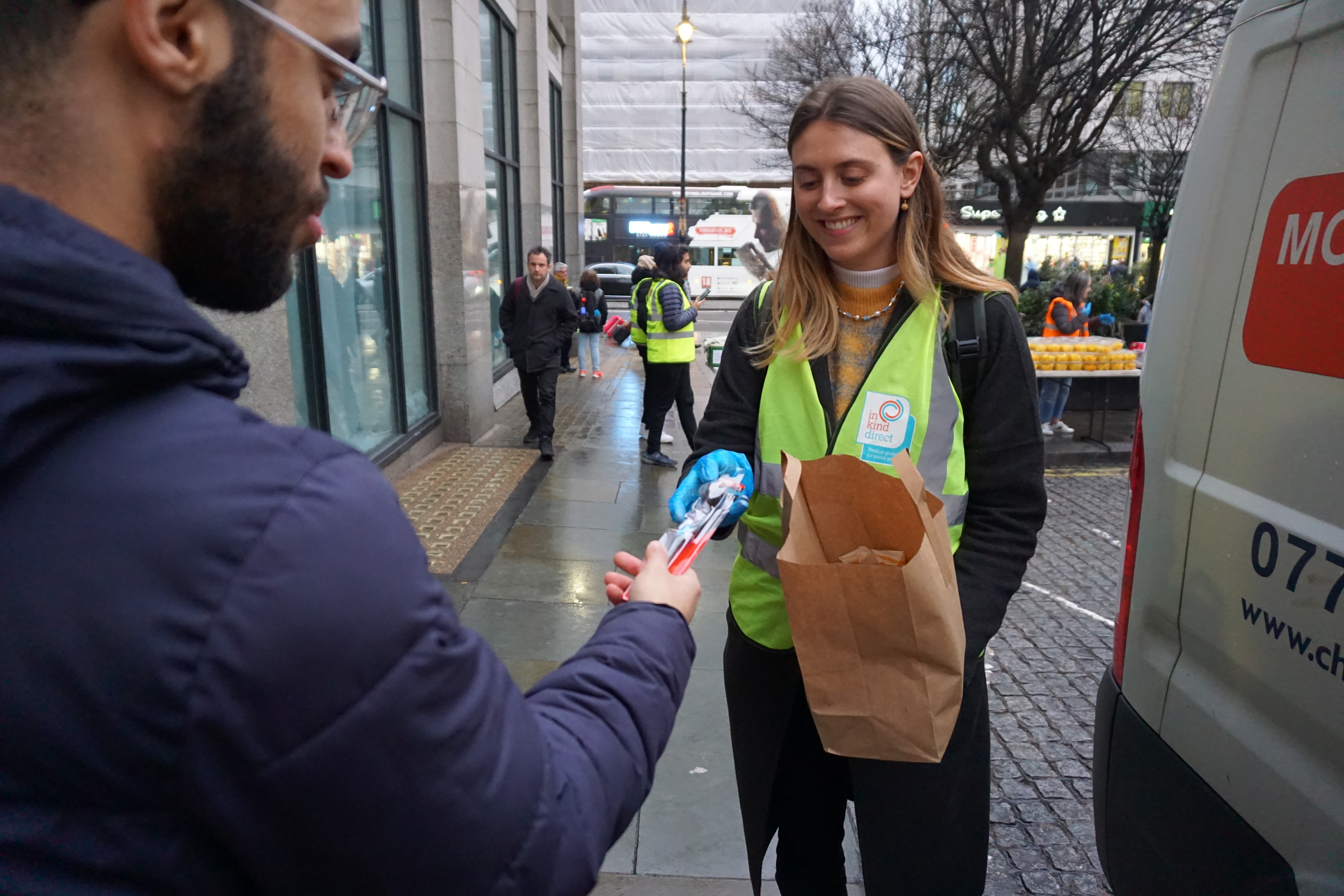
Products distributed by In Kind Direct to charities from firms include personal hygiene products, food packs, clothing as well as household products and tech such as tablets.
Two thirds of charities in the network say that personal hygiene products such as shampoo and toothpaste are the most useful donations to give to families.
We have worked with @NEF Consulting to attempt to better understand our impact across our charitable network and on the end users of those charitable organisations’ services. To read more check out our website via the link in our bio pic.twitter.com/LLPdxCOwlp
— In Kind Direct (@InKindDirect) September 28, 2022
“We have been able to support people who have nothing at all, by creating health and wellbeing emergency packs which include shampoo, toothpaste, toothbrush, deodorant, and sanitary products, said West Midlands based Dorothy Parkes Centre, which is among charitable organisations supported by In Kind Direct.
“People are often able to get food via foodbanks, but they can't get hygiene products from anywhere.”
In Kind Direct interim chief executive Paul Buchanan urged more charities to join its network.
“Our charitable network of over 4,500 UK charities tell us that hygiene items like toilet roll and shower gel are always in high demand, to support families who are having to choose between eating and keeping clean”, he added.

.jpg)





Recent Stories