
Just under half of fundraisers say they are ‘usually or always’ stressed at work, a survey has found.
The survey by recruitment platform CharityJob found that 48% feel stressed most or all of the time.
Meeting performance targets is fundraisers’ most mentioned reason for feeling stressed, cited by three in five.
Just over half said heavy workload is a reason, while almost half said a lack of resources or staffing is a factor.
Pressure from trustees and other senior leaders are a factor mentioned by more than a third of fundraisers surveyed.
Emotional demands of the role is cited by just under three in ten and more than one in five say job security is contributing to stress.
Short term funding pressures is a factor in high stress levels among one in five fundraisers.
The most cited support offered by employers to help tackle stress is flexible working, offered by more than three in five.
But only one in three fundraisers say they have access to mental health resources at work and less than one in six say they can take dedicated wellbeing days.
“Although performance-related objectives are arguably inherent within roles with monetary targets, all these stressors represent areas that fundraisers themselves don’t have full control over,” said CharityJob.
“Instead, these factors are more reflective of challenging environmental or structural working conditions.”
It added that “wellbeing provision” on offer is “relatively sparse when compared to the levels of stress being reported”.
Concerns around AI
Another concern mentioned by fundraisers was around artificial intelligence (AI), with more than half saying they are concerned about the technology’s impact on their role.
However, more detailed questioning found that fundraisers are optimistic that the core elements of their work, such as relationship and trust building and empathetic communication, are “irreplaceable” by AI, found CharityJob.
Some respondents also mentioned the potential of AI to free up time to enable fundraisers to focus on the relational side of fundraising.
“AI displacement was identified as plausible in more task-focused areas: bid writing, communications and data processing,” it said, adding that one in three fundraisers say they lack technology and the tools to do their job properly.
For its Voice of Fundraising 2026 Report CharityJob surveyed 160 people, mostly current fundraisers, but also those who had left the profession.


Latest News
-
Council terminates charity’s £8.57m children's care home contract early amid staffing concerns
-
Charity boss shows her 'vulnerability' as she posts emotional grant rejection video
-
English speaking fundraising ideas may be ‘crowding out’ local strategies
-
Friday funding round up – 9 October
-
Charity charged with corporate manslaughter following fatal boating incident
-
CEO retires after 40 years with mental health charity


Beyond the funding squeeze: Using equities to secure your charity’s future
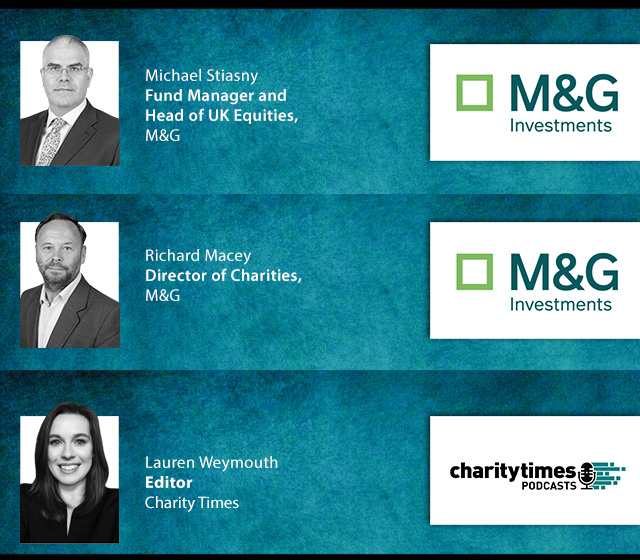
With charities facing increasing financial pressure and traditional income streams under strain, making investments work harder has never been more important. M&G’s Richard Macey and Michael Stiasny join Charity Times to discuss why equities remain a vital long-term asset class for charities, how organisations can balance income generation and growth, and the opportunities the current market environment may offer to help strengthen financial resilience.
Charity Times Awards 2023
Charity Times video Q&A: In conversation with Hilda Hayo, CEO of Dementia UK
Charity Times editor, Lauren Weymouth, is joined by Dementia UK CEO, Hilda Hayo to discuss why the charity receives such high workplace satisfaction results, what a positive working culture looks like and the importance of lived experience among staff. The pair talk about challenges facing the charity, the impact felt by the pandemic and how it's striving to overcome obstacles and continue to be a highly impactful organisation for anybody affected by dementia.




© 2021 Perspective Publishing Privacy & Cookies
Recent Stories