
Grantmakers are placing higher expectations on charities working in areas of disadvantaged to prove they are being innovative compared to those operating in affluent parts of the country.
The findings have emerged in the latest Third Sector Trends report by Community Foundation North East, which involved the views of more than 8,600 charities between June and September last year.
This found an emerging divide in expectations between rich and poor areas, amid signs that “some grant funders may be shifting away from the provision of unrestricted funding”, since the Covid pandemic.
The trend is sparking a “renewed insistence” on charities to be “innovative in their practice”, although this is being more stringently applied to charities working in poorer areas than their counterparts in affluent areas.
While such an emphasis on innovation from grantmakers is prevalent in funding for over half of grantees in rich areas it is being asked for among seven in ten charities in the poorest areas.
The report notes “it is perhaps concerning that there is a stronger emphasis on innovation in the poorest areas” which “may signify higher expectations of achievement in poor districts than affluent areas which are already stacked with higher levels of social capital”.
While in 2022 three in five charities said they had received unrestricted or core funding, this had reduced to just over a half by 2025.
Although, the report also found that more funders are offering longer term funding to grantees. While in 2022 almost a third were offering such funding, this had increased to two in five by last year.


Latest News
-
Arts venue charity to close after ‘exhausting all possible alternatives’
-
Hospice charity repeatedly targeted by criminals launches appeal to improve security
-
Children’s charity refreshes brand to be clearer ‘about who it is’
-
Monday movers – 12 October 2026
-
Council terminates charity’s £8.57m children's care home contract early amid staffing concerns
-
Charity boss shows her 'vulnerability' as she posts emotional grant rejection video


Beyond the funding squeeze: Using equities to secure your charity’s future
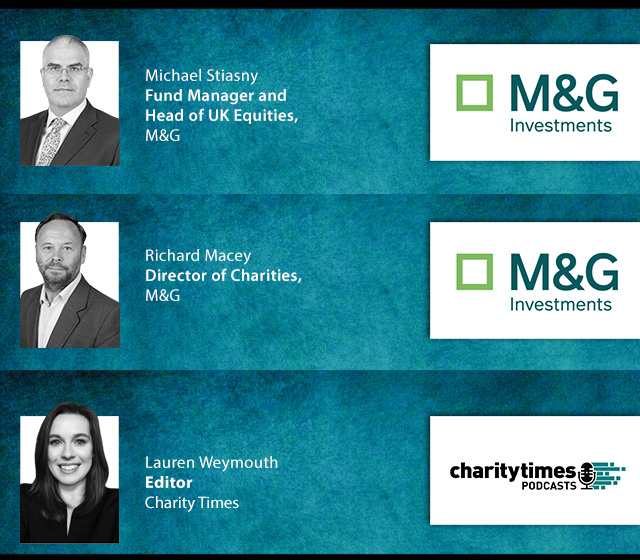
With charities facing increasing financial pressure and traditional income streams under strain, making investments work harder has never been more important. M&G’s Richard Macey and Michael Stiasny join Charity Times to discuss why equities remain a vital long-term asset class for charities, how organisations can balance income generation and growth, and the opportunities the current market environment may offer to help strengthen financial resilience.
Charity Times Awards 2023
Charity Times video Q&A: In conversation with Hilda Hayo, CEO of Dementia UK
Charity Times editor, Lauren Weymouth, is joined by Dementia UK CEO, Hilda Hayo to discuss why the charity receives such high workplace satisfaction results, what a positive working culture looks like and the importance of lived experience among staff. The pair talk about challenges facing the charity, the impact felt by the pandemic and how it's striving to overcome obstacles and continue to be a highly impactful organisation for anybody affected by dementia.




© 2021 Perspective Publishing Privacy & Cookies
Recent Stories