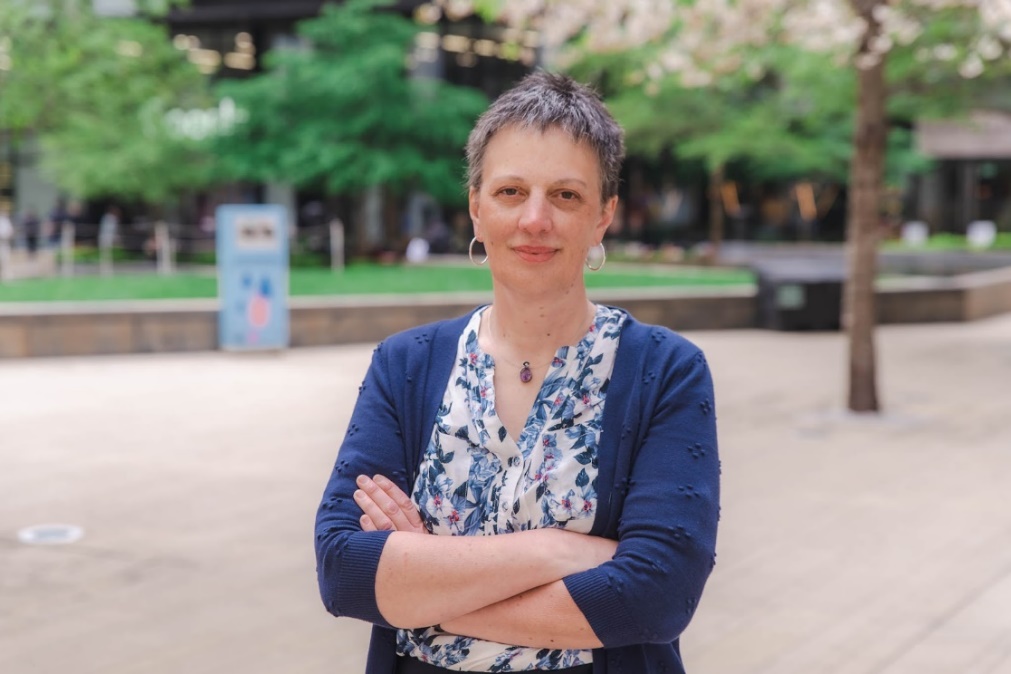
There has been “no discernible progress” in the proportion of chief executives from the global majority and the gender pay gap in senior roles “remains substantial”, according to latest research from ACEVO.
The charity leadership body’s 2023 pay and equalities survey has found that just 7% of charity CEOs are people from the global majority, the same proportion as last year. This proportion is also in line with previous years.
Furthermore, the gender pay gap between male and female charity leaders stands at 8.3%, with women mainly occupying leadership roles in smaller charities. The gender pay gap has come down since last year’s figure of 10.8%, but is still higher than 2021 when the gap in pay was 7.6%.
“To be frank, I am deeply disappointed and frustrated by much of what I read in this year’s report,” said ACEVO chief executive Jane Ide.
“We are seeing no progress on the representation of Black, Asian or minoritised ethnic leaders in our sector. The gender pay gap remains significant.”
Last week NCVO revealed that the charity sector continues to be “less ethnically diverse than the private and public sectors”. It found that the low proportion of global majority charity workers has not changed in eight years.
Among the more than 800 charity leaders surveyed for ACEVO’s survey, a third reported a lack of a regular formal salary review and only around a half have access to training.
Just under a half are satisfied with their board’s support for investing in CEO development compared with pre-pandemic levels, when three in five were happy with their trustees’ commitment to leadership training.
Three in five charity leaders believe their wellbeing is being prioritised by trustees.
Another improvement has been a year-on-year increase in the proportion of leaders who report themselves as disabled, a learning difference or with a health condition. This proportion has increased from a fifth last year to a quarter this year.
“Our sector has a problem: over the next decade and beyond we are likely to see increased competition for talent from other sectors as BCorps and mainstream businesses position themselves as great places to work for those who want to make a difference in the world – but with all the pay and benefits that come from working in the private sector,” added Ide.
“If our sector is going to be sustainable in the future we have to think hard about how we create pipelines of talent and skills, and then retain and develop those pipelines into a leadership that can navigate the challenges of the future with agility and intelligence.”
‘Modest’ pay rises for CEOs
ACEVO’s survey also revealed that the median annual basic salary for charity leaders is £58,863 a “modest increase” on the £56,000 they received last year.
Three quarters of CEOs surveyed said they had seen their salary increase in the last year.
“However, considering the pace of inflation over the same period, median CEO salaries still fall behind market standards and fall short of equitable compensation with peers in other industries,” said ACEVO.


Latest News
-
Arts venue charity to close after ‘exhausting all possible alternatives’
-
Hospice charity repeatedly targeted by criminals launches appeal to improve security
-
Children’s charity refreshes brand to be clearer ‘about who it is’
-
Monday movers – 12 October 2026
-
Council terminates charity’s £8.57m children's care home contract early amid staffing concerns
-
Charity boss shows her 'vulnerability' as she posts emotional grant rejection video




Beyond the funding squeeze: Using equities to secure your charity’s future
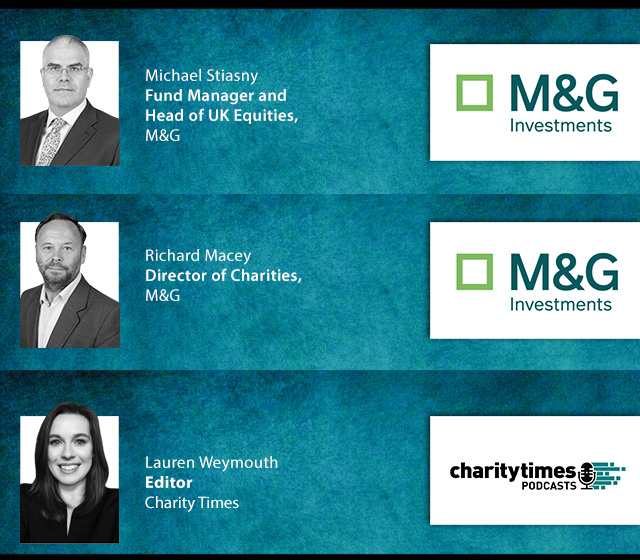
With charities facing increasing financial pressure and traditional income streams under strain, making investments work harder has never been more important. M&G’s Richard Macey and Michael Stiasny join Charity Times to discuss why equities remain a vital long-term asset class for charities, how organisations can balance income generation and growth, and the opportunities the current market environment may offer to help strengthen financial resilience.
Charity Times Awards 2023
Charity Times video Q&A: In conversation with Hilda Hayo, CEO of Dementia UK
Charity Times editor, Lauren Weymouth, is joined by Dementia UK CEO, Hilda Hayo to discuss why the charity receives such high workplace satisfaction results, what a positive working culture looks like and the importance of lived experience among staff. The pair talk about challenges facing the charity, the impact felt by the pandemic and how it's striving to overcome obstacles and continue to be a highly impactful organisation for anybody affected by dementia.




© 2021 Perspective Publishing Privacy & Cookies
Recent Stories