



Charities are becoming increasingly desperate in their search for funding amid rising demand, increasing costs and worsening mental health among staff, according to a survey of 170 grant makers.
The survey was carried out by London Funders and asked grant makers in the capital how charities receiving their funding are coping with the cost-of-living crisis.
This found increasing concern about the wellbeing of charity staff due to inflation and increasing demand for their support.
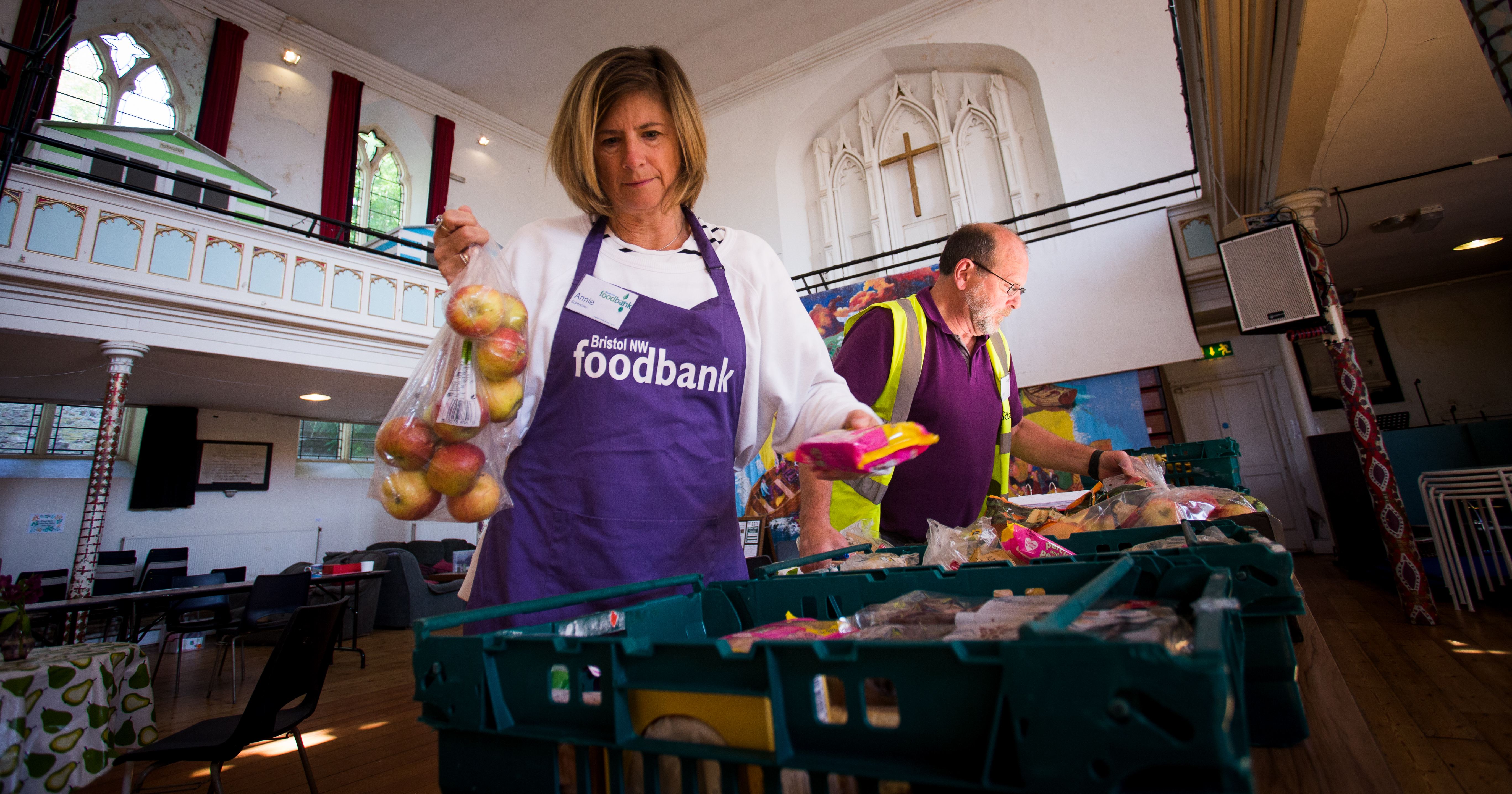
Some charities are now referring their own staff to food banks as well as beneficiaries.
A rise in applicants for grants has also emerged as an increasing number of charities struggle amid the cost-of-living crisis.
“Our applications have gone through the roof, and we cannot keep up with demand from our current resources,” said one funder.
In response to this surge in demand for funding, grant givers are reporting they are already, or planning to, boost funding available to support more charities amid the current tough economic conditions.
“Nearly half of respondents to our survey said that they have seen an increase in volume of applications over recent months, said London Funders report into the survey findings.
“There is a ‘genuine sense of desperation’, as one respondent reported, with organisations being forced to ‘shoehorn’ their ideas into grant criteria.”
It added that “many funders were despondent about how they would be able to match the scale of demand or make a long-term impact given the levels of need”.
One funder said: “Front line organisations are reporting fatigue, not having recovered from the impact of covid. How do we protect the mental health of those on the front line?”
Another told London Funders: “Some of our grantee organisations are reporting that their own staff are struggling with living costs, and some are referring their staff as well as beneficiaries to food banks."
📣🆕Report on how funders are responding to the #CostofLivingCrisis
— London Funders (@LondonFunders) October 14, 2022
We've gathered insights from our cross-sector network of 170+ funders, to map out the practical steps they're taking & the long-term implications for funding in London
More insights from our research in this🧵 pic.twitter.com/6WiFLxDRhv
The survey found that one in eight charities are increasing their one-year grants, while a fifth are planning to make this move.
One in eight are also already increasing their multi-year grants, with a quarter planning to do this.
Just under a half (44%) say they are increasing flexibility around the terms of delivery and outcomes attached to grants, while a fifth have created additional funding pots for charities, such as hardship funds.
A fifth have made changes to speed up the application process and just under a quarter (22%) are making a greater proportion of their funding unrestricted.
“Many respondents told us that they will be reconsidering aspects of their overall funding approach in the coming months,” said London Funders.
“Some shared how they are re-allocating funding to dedicate to the cost-of-living response, and others spoke about how they are working with trusted partners (including other local grant makers) to distribute funding at speed to grassroots groups.
“Others were still reviewing what further steps might be needed and were waiting to see how the next few months unfolded before making any decisions.”





Recent Stories