
A think tank’s report has valued the UK impact economy, covering the work of charities and other organisations working for social good, at £428bn.
This figure, which is 15% of the country’s Gross Domestic Product (GDP), has been revealed in a report by NPC.
It includes £105bn of regulated impact economy, which includes organisations that are legally required to benefit society, including charities, universities, housing associations and community interest companies. The specific value of registered charities to the UK economy is worth £40.6bn.
The think tank’s figure also includes £323bn that is self-regulated, involving organisations that work for the public good but are not legally required to, including impact led businesses, mutual insurers and friendly societies.
NPC chief executive Jonathan Simmons said: “The term ‘impact economy’ represents a shift in mindset: from a disparate set of sectors, often at odds with one another, to a coherent system bound by shared aspirations.
“It is a simple but powerful idea built around intentionality: the intention to have a positive impact and to help solve the challenges we face, together.”
The report has been published two months after the government launched its Office of the Impact Economy to improve philanthropy and social investment. This new unit is housed in the Cabinet Office with Chief Secretary to the Prime Minister Darren Jones as its ministerial lead.
Setting up the Office for the Impact Economy was among recommendations made by a Social Impact Investment Advisory Group earlier this year involving the Treasury and the Department for Culture, Media and Sport.
Jones says NPC’s findings highlight “the vital role of purpose-driven businesses, charities, philanthropy and investors in our society”.
“That’s why last year we launched the Office for the Impact Economy to help these organisations work more closely with the government to unlock billions in investments in our communities across the UK and drive national renewal,” he added.


Latest News
-
Arts venue charity to close after ‘exhausting all possible alternatives’
-
Hospice charity repeatedly targeted by criminals launches appeal to improve security
-
Monday movers – 12 October 2026
-
Council terminates charity’s £8.57m children's care home contract early amid staffing concerns
-
Charity boss shows her 'vulnerability' as she posts emotional grant rejection video
-
English speaking fundraising ideas may be ‘crowding out’ local strategies


Beyond the funding squeeze: Using equities to secure your charity’s future
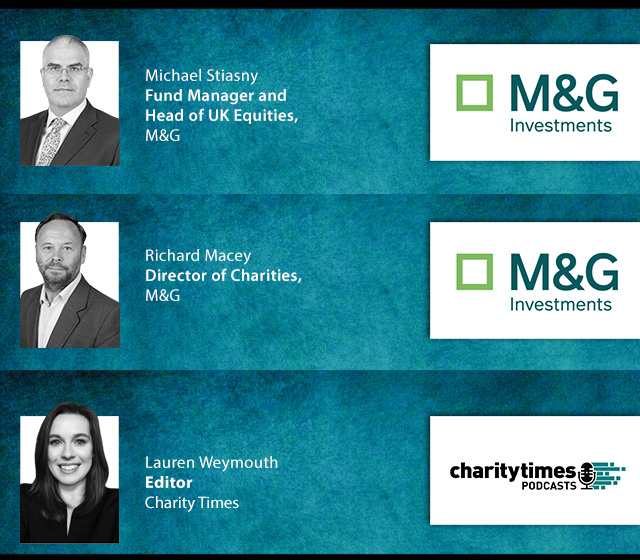
With charities facing increasing financial pressure and traditional income streams under strain, making investments work harder has never been more important. M&G’s Richard Macey and Michael Stiasny join Charity Times to discuss why equities remain a vital long-term asset class for charities, how organisations can balance income generation and growth, and the opportunities the current market environment may offer to help strengthen financial resilience.
Charity Times Awards 2023
Charity Times video Q&A: In conversation with Hilda Hayo, CEO of Dementia UK
Charity Times editor, Lauren Weymouth, is joined by Dementia UK CEO, Hilda Hayo to discuss why the charity receives such high workplace satisfaction results, what a positive working culture looks like and the importance of lived experience among staff. The pair talk about challenges facing the charity, the impact felt by the pandemic and how it's striving to overcome obstacles and continue to be a highly impactful organisation for anybody affected by dementia.




© 2021 Perspective Publishing Privacy & Cookies
Recent Stories