Trust among the public in charities is at its highest level since 2014, according to latest figures published by the Charity Commission.
This is the second year running that trust levels have improved, following a slump in public trust between 2016 and 2018 when the voluntary sector was hit by a number of high profile fundraising and safeguarding scandals.
The independent research has been carried out by Yonder, which has given a mean average score out of ten for public trust in charities based on the results of an online survey.
The public trust score for charities is 6.4 in 2021, up on the previous year’s score of 6.2 and the highest since 2014’s score of 6.7.
The lowest trust level recorded since 2005 was 2018’s score of 5.5. In 2016 a figure of 5.7 was recorded out of ten.
The survey also found that charities are now the third most trusted group, behind doctors and the police and ahead of banks, social services, councils, newspapers and MPs.
“In general I do trust charities,” said one respondent, who added, “I’ve always had trust in charities. I am trying to think if there has ever been a scandal. But nothing really springs to mind”.
Yonder’s report says that the last, Covid-19 pandemic hit, year has “concentrated public attention on the ways in which national institutions and prominent organisations have responded in a time of crisis. Where the national spotlight has fallen on charity, it has been on the positive difference it can make.”
However, it adds that “there is no room for complacency”, citing continued public attitudes to ensuring that a high proportion of funds is spent on beneficiaries and ensuring promises are delivered on”.
Charity Commission chief executive Helen Stephenson said: “It is vital that we learn the right lessons from this research. The pandemic has been a momentous event in our collective experience, with charities proving their value time and again. But it has not changed people’s fundamental expectations of charity.
“More than ever, people need evidence that charities are not ends in themselves, but vehicles for making the world a better place, both through what they achieve, and the values they live along the way.
“This research also reminds us that while the public shares the same basic expectations of charity, people have different attitudes depending on who they are and where they come from. If they are to continue rebuilding trust, charities must recognise and respect this diversity, and engage with a wide range of views and attitudes. I encourage charities to read the research and respond to its findings.”

Latest News
-
Exclusive: Lack of progress on diversity continues to blight leadership opportunities
-
Jamie Simpson: Anniversaries are an opportunity for charities to look to the future
-
RNLI chief condemns ‘wholly unacceptable’ abuse of staff
-
Dismay over youth suicide prevention charity's collapse
-
Charity leaders call for expansion of micro and one-off volunteering opportunities
-
Charities Aid Foundation names next CEO

.jpg)


Beyond the funding squeeze: Using equities to secure your charity’s future
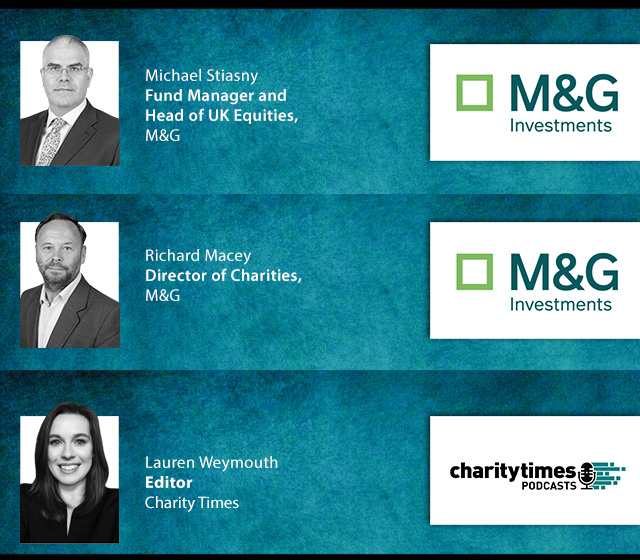
With charities facing increasing financial pressure and traditional income streams under strain, making investments work harder has never been more important. M&G’s Richard Macey and Michael Stiasny join Charity Times to discuss why equities remain a vital long-term asset class for charities, how organisations can balance income generation and growth, and the opportunities the current market environment may offer to help strengthen financial resilience.
Charity Times Awards 2023
Charity Times video Q&A: In conversation with Hilda Hayo, CEO of Dementia UK
Charity Times editor, Lauren Weymouth, is joined by Dementia UK CEO, Hilda Hayo to discuss why the charity receives such high workplace satisfaction results, what a positive working culture looks like and the importance of lived experience among staff. The pair talk about challenges facing the charity, the impact felt by the pandemic and how it's striving to overcome obstacles and continue to be a highly impactful organisation for anybody affected by dementia.




© 2021 Perspective Publishing Privacy & Cookies
Recent Stories