Public giving is at its lowest level since data on donations was recorded, the think tank nfpSynergy has revealed.
Just 54% of the public has given in the last three months. This is a 15 percentage point drop from January “and the lowest level of giving we have every recorded,” said a statement from the think tank’s co managing director Tim Harrison and founder Joe Saxton.
The latest figures reveal that a quarter (28%) of people have given less in the last 12 months than in previous years. “We have never had so many people saying they have given less,” added Harrison and Saxton’s statement.
https://nfpsynergy.net/blog/percentage-general-public-giving-to-charity-record-low
Economic insecurity amid the Covid-19 pandemic is a key factor, according to the think tank.
It found that young people are more concerned than older people about their jobs and income.
While charity retail sales improved over summer, charity shop trade, on street collections and event participation are all down significantly since January.
Charities’ financial security is seen as less important than the impact of Covid-19 on small businesses, hotels and tourism, pubs and restaurants. But the public is more concerned about the finances of charities than those of airlines and banks, said nfpSynergy.
Online opportunities
NfPSynergy did find that pivoting fundraising online is a worthwhile tactic. Direct debits, website giving and membership “have all held up well, and increased on some cases”.
In addition, there is widespread public support for charities to continue to fundraise amid the health crisis. Around two thirds (63%) of the public want to see charities fundraise.
The think tank also found that while 12% of the public expect to give less over the next year, 17% expect to five more.
“The appetite to give is there; charities just need to provide the opportunities,” said Harrison and Saxton.
“That will mean using the full range of fundraising channels that are still open to them; TV, direct mail, telephone and online fundraising. It means thanking regular givers for sticking with them through this very tough time.
“It means running more (yes more!) online quizzes. It means making shops as safe a space as they possibly can be, or moving them online.”


Latest News
-
Arts venue charity to close after ‘exhausting all possible alternatives’
-
Hospice charity repeatedly targeted by criminals launches appeal to improve security
-
Children’s charity refreshes brand to be clearer ‘about who it is’
-
Monday movers – 12 October 2026
-
Council terminates charity’s £8.57m children's care home contract early amid staffing concerns
-
Charity boss shows her 'vulnerability' as she posts emotional grant rejection video




Beyond the funding squeeze: Using equities to secure your charity’s future
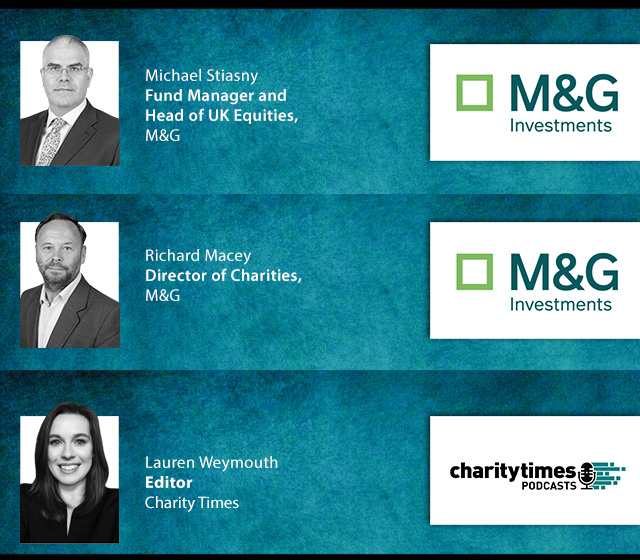
With charities facing increasing financial pressure and traditional income streams under strain, making investments work harder has never been more important. M&G’s Richard Macey and Michael Stiasny join Charity Times to discuss why equities remain a vital long-term asset class for charities, how organisations can balance income generation and growth, and the opportunities the current market environment may offer to help strengthen financial resilience.
Charity Times Awards 2023
Charity Times video Q&A: In conversation with Hilda Hayo, CEO of Dementia UK
Charity Times editor, Lauren Weymouth, is joined by Dementia UK CEO, Hilda Hayo to discuss why the charity receives such high workplace satisfaction results, what a positive working culture looks like and the importance of lived experience among staff. The pair talk about challenges facing the charity, the impact felt by the pandemic and how it's striving to overcome obstacles and continue to be a highly impactful organisation for anybody affected by dementia.




© 2021 Perspective Publishing Privacy & Cookies
Recent Stories