
The Charity Commission has opened a statutory inquiry into training charity City and Guilds’ sale of its multi-million-pound business arm.
The regulator has confirmed that the sale by City and Guilds of London Institute (CGLI) of its awards and training operation to a private company in October last year is being looked at.
It said that the inquiry had been launched to “examine new information that has been reported in relation to the sale” to PeopleCert.
Under investigation will be information that had been provided to the regulator by the charity regarding the sale of its awards, assessment and training businesses to the firm.
This follows “concerns raised in public reporting relating to the sale and bonuses awarded to its executives”.
Trustee decision making regarding the sale and the charity entering into a “coexistence agreement” with the new company will also be probed.
In a statement the charity said that sale took place as “trustees’ first priority has been to ensure that the CGLI has the funds to continue its skills and social impact work at the size and scale needed today and for future generations”.
It said: “After thorough review, trustees concluded that to achieve this, significant and timely intervention was needed to protect the charity from the instability of political cycles, policy reform and competitive pressures, all of which have an impact on the charity’s income and its ability to continue its charitable objectives.
It added that “with the pace of technology and AI advancement outstripping the charity’s ability to fund at the scale needed to meet learner demand, it was clear that looking ahead, the charity would lose the tech race, both in funding and in delivering high quality programmes to support vocational and technical skills in an increasingly competitive and global market”.
“In response, the trustees considered a range of strategic options, including maintaining the status quo, borrowing to fund charitable activity, and sale,” continues its statement.
“They concluded that responsibly divesting the commercial awarding organisation and skills training business was the most effective way to protect the organisation’s long-term health, secure its mission for future generations, and support continued investment in awarding and training.
“A formal, competitive sales process was therefore undertaken with a number of organisations making bids.”


Latest News
-
Council terminates charity’s £8.57m children's care home contract early amid staffing concerns
-
Charity boss shows her 'vulnerability' as she posts emotional grant rejection video
-
English speaking fundraising ideas may be ‘crowding out’ local strategies
-
Friday funding round up – 9 October
-
Charity charged with corporate manslaughter following fatal boating incident
-
CEO retires after 40 years with mental health charity


Beyond the funding squeeze: Using equities to secure your charity’s future
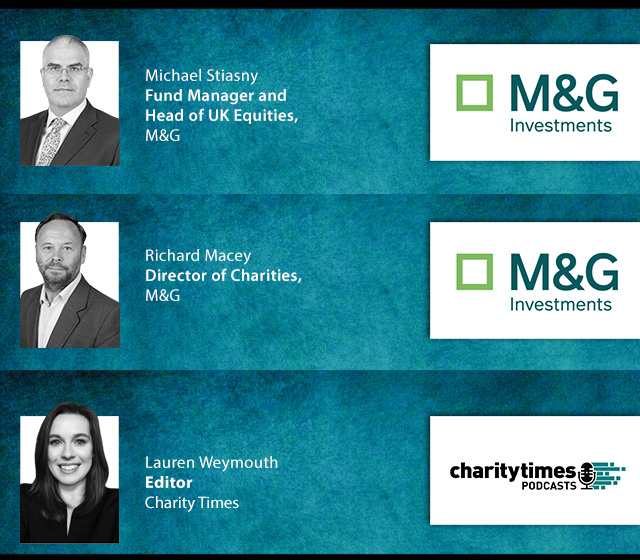
With charities facing increasing financial pressure and traditional income streams under strain, making investments work harder has never been more important. M&G’s Richard Macey and Michael Stiasny join Charity Times to discuss why equities remain a vital long-term asset class for charities, how organisations can balance income generation and growth, and the opportunities the current market environment may offer to help strengthen financial resilience.
Charity Times Awards 2023
Charity Times video Q&A: In conversation with Hilda Hayo, CEO of Dementia UK
Charity Times editor, Lauren Weymouth, is joined by Dementia UK CEO, Hilda Hayo to discuss why the charity receives such high workplace satisfaction results, what a positive working culture looks like and the importance of lived experience among staff. The pair talk about challenges facing the charity, the impact felt by the pandemic and how it's striving to overcome obstacles and continue to be a highly impactful organisation for anybody affected by dementia.




© 2021 Perspective Publishing Privacy & Cookies
Recent Stories