
The Charity Commission has launched a statutory inquiry into the decision making of trustees at College Farm Trust.
The investigation into the Finchley, London, city farm charity will look at trustees’ compliance with their legal duties.
Their governance and management of the farm, which has been closed to the public since 2001 due to a foot and mouth disease outbreak, will also be probed.
Whether there has been any unauthorised trustee benefit, risk to charity property or misconduct or mismanagement by trustees are among other concerns being looked at.
The investigation has been launched amid a disagreement between the farm’s tenant
farmer Chris Ower, whose family have farmed the site since 1976, and the charity’s trustees.
In a statement on his Saving College Farm website, Ower says that he is keen to reopen the farm to the public but is unable to carry out repairs needed without approval from the charity as his landlord.
He also claims that while the charity was set up to “preserve this historic farm for public education and enjoyment” the trustee board “has changed” and “the present trustees want to build houses on the farm”.
Ower’s statement also says that he is legally the occupier as a protected agricultural tenant of the farm, which was built in 1883 “as a showpiece for the diary industry”.
His website also includes a plea for donations to support the animals on the farm, which cost £450 a month to feed.
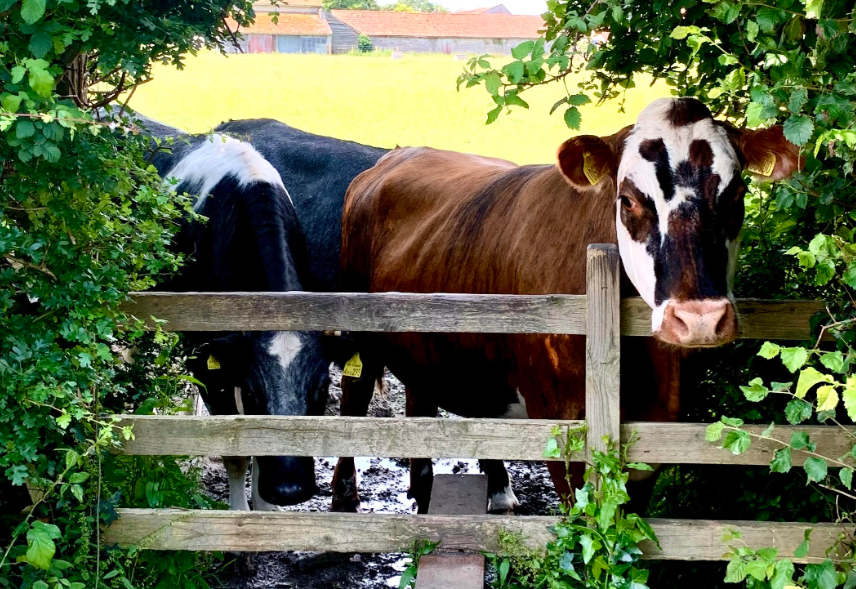
Animals on the farm include cows, pigs, goats, donkeys, chickens, a pony and guinea pigs.
The last accounts submitted by the charity to the Charity Commission are for the financial year ending August 2016. This showed it had an income of £10,042 and spent £6,326.


Latest News
-
Dispute risks ‘bringing disability charity to a halt’, warns regulator
-
Fears emerge that regulation is being ‘weaponised’ against Muslim charities
-
Charity boss to step down after being made a peer
-
Infrastructure charity joins hospice before financial pressures put services 'at risk’
-
Mary-Jane Roberts: Battle of the letters - CEO vs AI
-
Cyber-attack preparation ‘limited or non-existent’ in over two in five charities, survey finds


Video Q&A: In conversation with Vicki Sellick MBE, CEO of Good Things Foundation
Vicki Sellick MBE, CEO of Good Things Foundation joins Charity Times editor, Lauren Weymouth to discuss her leadership journey, the organisation’s new strategy and the findings of the Digital Nation 2026 report. She explores the challenges of digital inclusion, the opportunities and risks of AI, and how the sector can ensure nobody is left behind.
Video Q&A: Benefits of bespoke investment vs pooled funds for the third sector
In this Charity Times video Q&A, editor Lauren Weymouth speaks to Ed Caswell of RBC Brewin Dolphin to explore how charities can align investment strategies with their mission, balance income and growth, and adapt to changing needs. He discusses discretionary management, responsible investment and the importance of effective governance and regular portfolio reviews.
Charity Times Awards 2023


© 2021 Perspective Publishing Privacy & Cookies
Recent Stories