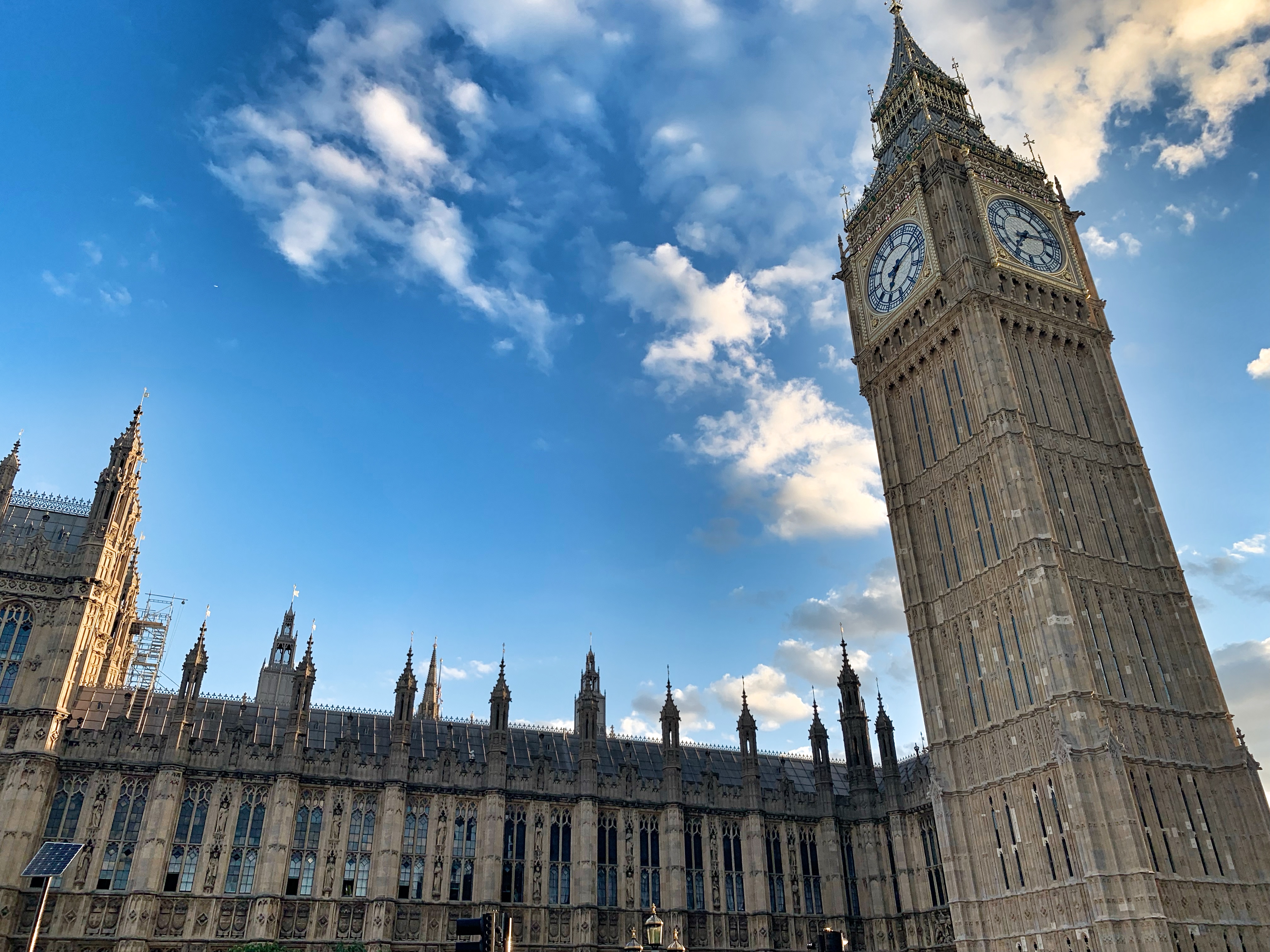
MPs have rejected a bid by peers to exempt small charities from legislation to increase employers’ National Insurance contributions.
The amendments to exempt small charities, as well as children’s hospices and GP practices, from the increase, were defeated by 310 votes to 183.
Among those backing the House of Lords amendments is shadow financial secretary Gareth Davies, the Conservative MP for Grantham and Bourne.
“Charities with an income of less than £1 million make up some 95% of registered charities and undertake vital work in all our communities, yet this Chancellor will force charity staff and volunteers across the sector to raise £1.4 billion more to cover this tax rise next year alone,” he said.
“Supporting this Lords amendment would prevent so many services provided by the third sector from being reduced or even removed altogether.”
Meanwhile, Liberal Democrat deputy leader Daisy Cooper, who represents St Albans, said: “The Government will not keep people out of hospitals by levying a tax on the very health and care charities that provide vital services for those who are vulnerable—warm spaces, friendship for the isolated, financial advice, welfare support and social care.”
In rejecting the amendments exchequer secretary James Murray told MPs: “The Government recognise the crucial role that charities play in our society.
“We recognise the need to protect the smallest charities; that is why we have more than doubled the employment allowance to £10,500 pounds, meaning that more than half of businesses, including charities with national insurance liabilities, either gain or will see no change next year.”
He added: “The Government provide wider support for charities via the tax regime; tax reliefs for charities and their donors were worth just over £6 billion in the tax year to April 2024.
“Again, the amendments would put much of the funding that the Bill seeks to raise for public services at risk, so supporting these amendments is support for higher borrowing, lower spending or other tax rises.”
The House of Lords debate on the government’s National Insurance Contributions (Secondary Class 1 Contributions) Bill in February saw peers back the amendment put forward by Conservative peer Baroness Neville Rolfe to exempt charities with an annual revenue of less than £1m.
Challenges facing charities due to the hike include losing jobs and skills, said Neville-Rolf during this upper house debate.


Latest News
-
Wildlife Trusts hit £30m fundraising target for ‘once in a generation’ rewilding project
-
Charities among most generous employers for workplace perks, say researchers
-
Membership income up but commercial revenue down at NCVO
-
Charity leader welcomes ‘important step’ in improving public and voluntary sector links
-
Friday funding round up – 30 October
-
Disappointment over lack of charity sector support in Autumn Budget

Video Q&A: In conversation with Vicki Sellick MBE, CEO of Good Things Foundation
Vicki Sellick MBE, CEO of Good Things Foundation joins Charity Times editor, Lauren Weymouth to discuss her leadership journey, the organisation’s new strategy and the findings of the Digital Nation 2026 report. She explores the challenges of digital inclusion, the opportunities and risks of AI, and how the sector can ensure nobody is left behind.
Video Q&A: Benefits of bespoke investment vs pooled funds for the third sector
In this Charity Times video Q&A, editor Lauren Weymouth speaks to Ed Caswell of RBC Brewin Dolphin to explore how charities can align investment strategies with their mission, balance income and growth, and adapt to changing needs. He discusses discretionary management, responsible investment and the importance of effective governance and regular portfolio reviews.
Charity Times Awards 2023



© 2021 Perspective Publishing Privacy & Cookies
Recent Stories