



The government has pledged to increase awareness among charities of the signs of radicalisation, as part of an overhaul of its measures to tackle terrorism.
The pledge has been made in the government’s response to a report by former Charity Commission chair William Shawcross into the Home Office’s Prevent strategy, set up to combat terrorism, such as activity by Palestinian group Hamas, and right-wing extremists.
This review had been boycotted by a raft of human rights charities amid concerns around bias and whether it would "seriously interrogate" the strategy.
Shawcross’s report called on the government to “pay greater attention to the pernicious impact of Hamas’s support network in the UK” among charities and companies.
“These companies and charities operate legally. This highlights the importance of arm’s length bodies such as the Charity Commission in helping formulate the most effective response.”
His report added: “The government must ensure there are proper procedures in place to prevent the funding, inadvertent or otherwise, of those who have expressed support for – or justified – violent extremist activity.”
Shawcross, who chaired the Charity Commission between 2012 and 2018, wants the government to ensure Prevent funding only goes to “groups and projects which challenge extremist and terrorist ideology”.
Funding should not be allocated “towards general youth work or community initiatives that do not meet these criteria”.
In its response the government pledged to “increase our work with non-statutory partners, the third sector, and with communities to build awareness of the signs of radicalisation and how to get support”.
This is set to feature developing “training products and communication materials for charities, communities, and those that work with communities, to increase their understanding” of its Prevent strategy.
In addition: “We will also attend community engagement events to build public awareness and understanding of Prevent.”
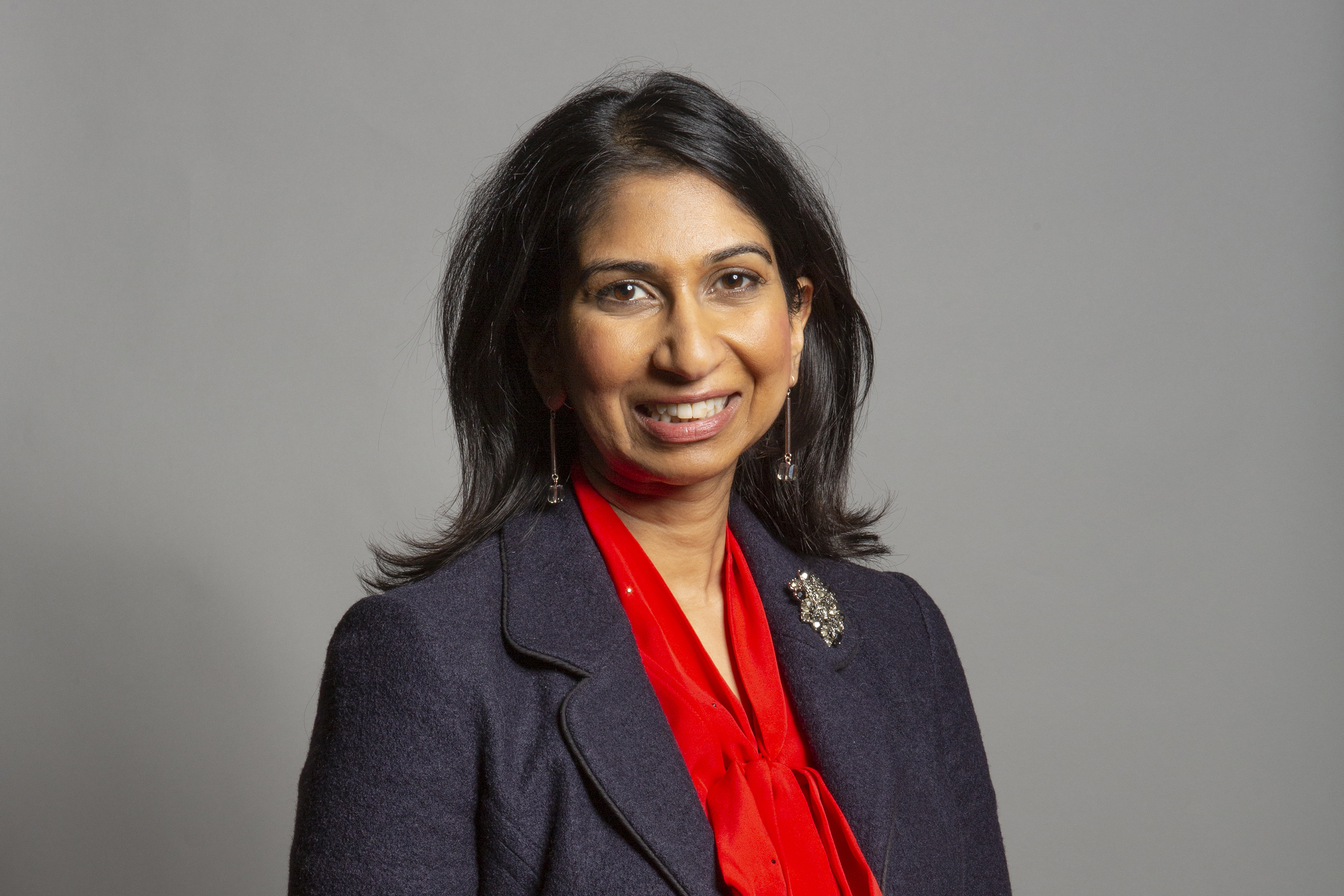
Home Secretary Suella Braverman said that the report “is clear that while Prevent is a crucial element in our armoury against terrorism, it needs to refocus on its core mission of stopping people becoming terrorists or supporting terrorism”.
“This includes Prevent placing greater emphasis on tackling ideology and its radicalising effects, rather than attempting to go beyond its remit to address broader societal issues such as mental health.”
Concerns over report's 'legitimacy'
The Shawcross review has been criticised by among others Amnesty International who said it is "deeply prejudiced and has no legitimacy".
It is one of 17 human rights charities to boycott the review.
Shawcross review of Prevent is 'deeply prejudiced and has no legitimacy'
— News From Amnesty (@NewsFromAmnesty) February 8, 2023
'This review is riddled with biased thinking, errors, and plain anti-Muslim prejudice - frankly, the review has no legitimacy' - @ilyas_nagdee https://t.co/yZEoHqKKZ2
The charity's racial justice director IIyas Nagdee said the review is "riddled with biaised thinking, errors and plain anti-Muslim prejudice".
“There’s mounting evidence that Prevent has specifically targeted Muslim communities and activists fighting for social justice and a host of crucial international issues – including topics like the climate crisis and the oppression of Palestinians," Nagdee added.
“There is growing evidence that Prevent is having disastrous consequences for many people; eroding freedom of expression, clamping down on activism, creating a compliant generation and impacting on individual rights enshrined in law.
“A proper independent review of Prevent should have looked at the host of human rights violations that the programme has led to - but these have largely been passed over in silence."






Recent Stories