A think tank is warning that fundraising ideas from English speaking countries may be “crowding out local ideas and practices” that are better suited to organising fundraising among communities around the world.
Rogare’s Does one size fit all? report into cultural differences among global fundraisers warns that fundraising across the world is “arguably dominated by ideas about practice, infrastructure ethics and regulation that originate in anglophone professions”.
It adds: “One of the reasons why local fundraising is not done as effectively, efficiently and accountably as possible could (only could) be because of a preponderance of anglophone ideas that are not best suited to the local societal culture and local culture of philanthropy.”
The think tank is urging fundraisers globally to identify and describe their “local culture of philanthropy” through research and assess whether these fit with “anglophone best practices and standards”.
They are then urged to “consider the most appropriate forms of professionalisation that would facilitate organised fundraising” to be “as effective, efficient and accountable as possible within the local culture of philanthropy”.
Writing in the report, Rogare associate member Alice Ferris said: “The fundraising profession keeps mistaking its own reflection for a universal law.
“What gets called best practice is often just the dominant culture’s practice, treated as though it were neutral and beyond question.
“Left unexamined, that habit exports the assumption that one culture’s way of fundraising is the way for communities who never agreed to that premise.
“The real work isn’t defending or throwing out any single standard. It’s asking what value that standard was meant to serve, and then finding out how that value already lives, or could live, in a given community.”


Latest News
-
Council terminates charity’s £8.57m children's care home contract early amid staffing concerns
-
Charity boss shows her 'vulnerability' as she posts emotional grant rejection video
-
English speaking fundraising ideas may be ‘crowding out’ local strategies
-
Friday funding round up – 9 October
-
Charity charged with corporate manslaughter following fatal boating incident
-
CEO retires after 40 years with mental health charity


Beyond the funding squeeze: Using equities to secure your charity’s future
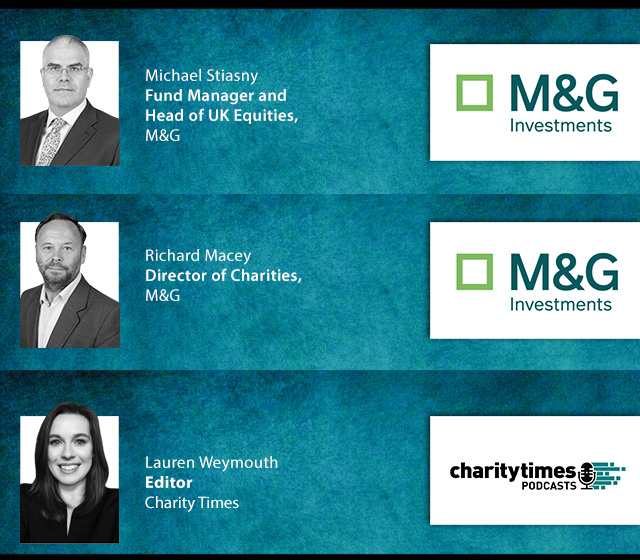
With charities facing increasing financial pressure and traditional income streams under strain, making investments work harder has never been more important. M&G’s Richard Macey and Michael Stiasny join Charity Times to discuss why equities remain a vital long-term asset class for charities, how organisations can balance income generation and growth, and the opportunities the current market environment may offer to help strengthen financial resilience.
Charity Times Awards 2023
Charity Times video Q&A: In conversation with Hilda Hayo, CEO of Dementia UK
Charity Times editor, Lauren Weymouth, is joined by Dementia UK CEO, Hilda Hayo to discuss why the charity receives such high workplace satisfaction results, what a positive working culture looks like and the importance of lived experience among staff. The pair talk about challenges facing the charity, the impact felt by the pandemic and how it's striving to overcome obstacles and continue to be a highly impactful organisation for anybody affected by dementia.




© 2021 Perspective Publishing Privacy & Cookies
Recent Stories