



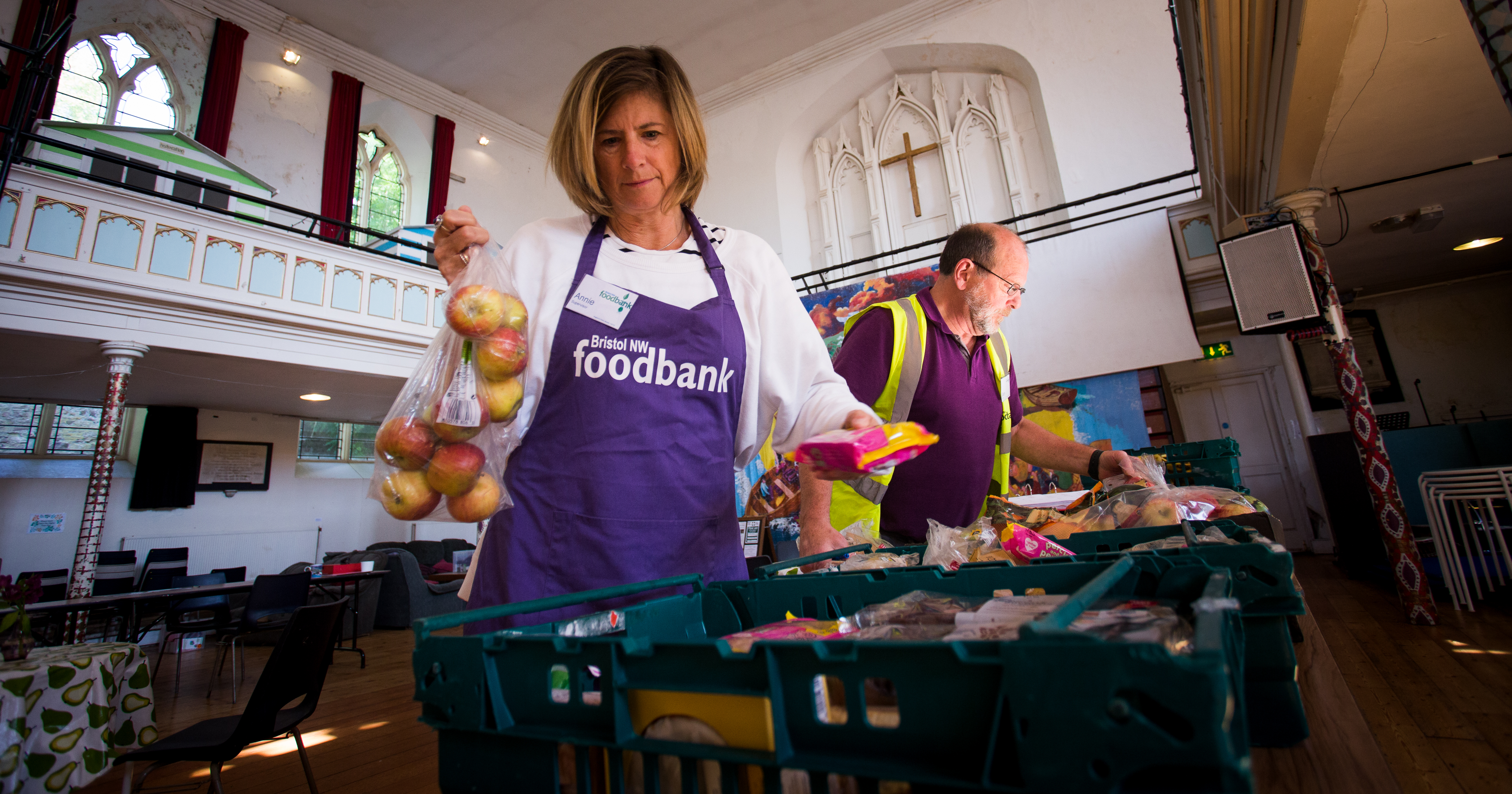
An "alarming spike" in inflation is set to cause a "tidal wave" of demand for charity services, in particular those organisations supporting vulnerable families and running foodbanks, a think tank has warned.
This week UK inflation rose by 9% for the 12 months to April, which is the fastest prices have risen for 40 years.
It is also up markedly on figures for March, when the rate of inflation was 7%.
Increases of hundreds of pounds in energy costs for households as well as higher fuel and food prices have driven inflation in recent months.
Pro Bono Economics says that children’s charities as well as those tackling mental health problems and food poverty will be particularly impacted by a further surge in demand for their support.
“This further alarming spike in inflation will exacerbate concerns among the nation’s charities, as the most vulnerable have nowhere else to turn while the government prevaricates, said the think tank’s economist Jamie O’Halloran.
“Many foodbanks, baby banks and organisations providing grants to struggling families are already running at full tilt to support people with essentials.
“But numerous children’s and mental health charities are braced for a tidal wave of demand still to come as increasing poverty and debt drags down mental health.”
Inflation continues to spike, which will mean concerns about demand continue for charities.
— Pro Bono Economics (@ProBonoEcon) May 18, 2022
Find out our response to today’s ONS inflation statisticshttps://t.co/uJSOBgc8xb
Impact on charities
Last month a Charities Aid Foundation survey found that nearly nine in ten charities are concerned about the impact of the cost-of-living crisis on their beneficiaries. More than a third fear their organisation will not survive continued increases in inflation, the survey also found.
In March Pro Bono Economics warned that escalating inflation could cost the charity sector £8bn over the next four years due to the falling value of donations, increased demand for services and rising cost of running organisations.
Diana Perry, chief executive of Cheltenham based health charity The ED Society, is among charity leaders concerned about the impact of record inflation.
"As a small charity, we rely solely on fundraising and donations to support families affected by Ectodermal Dysplasia in the UK. Soaring inflation is having a severe effect on everyone and people are trying their hardest to cut costs.
"Our supporters have always been there for us in our time of need, but we fear there is only so much families and individuals can take, and our biggest worry is to see a huge decline in donations and fundraising.
"I believe the current financial crisis will have a worse effect on charities than the pandemic. More worryingly, a recession may be on the cards, as households are already cutting back on costs and outgoings.
"The cost of living is a big concern for everyone in the UK right now, which will cause a significant reduction in income from charitable giving."





Recent Stories