
Charity beneficiaries are being denied a say in how services are delivered due to ‘arcane tax rules’, according to campaigners.
The Austerity Action Group has found that more than a third (35%) of service users are taking a reduced rate or only accepting expenses when taking part in service delivery research due to fears that payment would hinder their benefits or tax.
In more than a fifth (22%) of cases people with personal experience of using services were not paid at all.
Good practice when consulting beneficiaries and those with personal experience of services is to pay them for their expertise, says the group, which has been formed by the Social Workers Union and the British Association of Social Workers.
It says a current lack of clarity over tax rules for those taking part in research affects charities, councils and universities, who work with people with personal experience of issues such as poverty and homelessness.
One beneficiary said: “Using lived experience is not cost free, either emotionally or physically. If I am making a contribution to a project I expect to be paid, just like all the other professionals or consultants around the table.
“There also needs to be payment for preparation, it is not easy just to rock up and share some very traumatic and discriminatory experiences about services.”
Another said: “I have previously had to declare my earnings from such involvement, which then affected our family income, and my mental health because of the stress of worrying about whether and how much my benefits would be affected.
“My disabled daughter had similar issues, and we had to go through the process of getting her earnings recognised as therapeutic earnings, which I had to organise on her behalf.”
The group has written to the Treasury to ensure that payments for those participating in research are exempt from tax.
It also wants clarity that this earnings exemption applies to income assessed for benefits thresholds.
“We rely on people with lived experience of issues to contribute to research and service development,” said Austerity Action Group member and social worker Angi Naylor.
The Austerity Action Group collected responses from 64 service users for its research.


Latest News
-
Council terminates charity’s £8.57m children's care home contract early amid staffing concerns
-
Charity boss shows her 'vulnerability' as she posts emotional grant rejection video
-
English speaking fundraising ideas may be ‘crowding out’ local strategies
-
Friday funding round up – 9 October
-
Charity charged with corporate manslaughter following fatal boating incident
-
CEO retires after 40 years with mental health charity




Beyond the funding squeeze: Using equities to secure your charity’s future
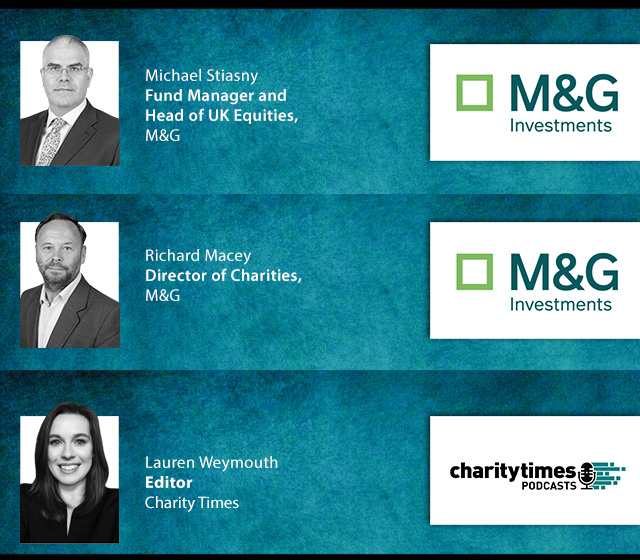
With charities facing increasing financial pressure and traditional income streams under strain, making investments work harder has never been more important. M&G’s Richard Macey and Michael Stiasny join Charity Times to discuss why equities remain a vital long-term asset class for charities, how organisations can balance income generation and growth, and the opportunities the current market environment may offer to help strengthen financial resilience.
Charity Times Awards 2023
Charity Times video Q&A: In conversation with Hilda Hayo, CEO of Dementia UK
Charity Times editor, Lauren Weymouth, is joined by Dementia UK CEO, Hilda Hayo to discuss why the charity receives such high workplace satisfaction results, what a positive working culture looks like and the importance of lived experience among staff. The pair talk about challenges facing the charity, the impact felt by the pandemic and how it's striving to overcome obstacles and continue to be a highly impactful organisation for anybody affected by dementia.




© 2021 Perspective Publishing Privacy & Cookies
Recent Stories