Almost three in ten charities say their experiences applying for funding have worsened over the last three years, according to a survey published by the Institute for Voluntary Action Research (IVAR).
Its survey of 1,200 charities, which was carried earlier this year, found the words charities used to describe their funding experiences included “challenging, frustrating, exhausting, soul destroying” with practices they value the most, such as unrestricted funding, multi-year grants and meaningful feedback “remaining the rarest”.
The findings offer a “reminder that grant-making practices are not abstract. They affect − and can damage and diminish − people’s working lives”, says IVAR director Ben Cairns in a report revealing the survey findings, called Searching for Life Rafts.
Cairns adds that concerns around funding processes are “playing out against a backdrop of compounding pressures: increased competition for funding, rising costs, growing demand for services, and an operating environment that is pushing some of our best organisations to breaking point”.
One respondent said: “The amount of chopping and changing, strategic reviews, pauses, early closing is making a stressful situation even worse. ‘Unless you already move in certain circles, you don’t have a chance.”
Another said: “The irony is stark: as your chances of success decrease, the amount
of work required to apply has gone up.”
Despite concerns, progress has been made among some funders, IVAR found, with just over half of charities saying grant making as improved over the last year.
Charities with positive experiences of funding say that grant makers are “making their processes clearer, asking better questions, and are more willing to engage with charities before they apply”, he adds.
IVAR’s report urges more funders to adopt the principles of grant making movement ‘Open and Trusting’, which is aimed at making funding practices easier for grantees and those applying.
These principles are:
• Don’t waste time
• Ask relevant questions
• Accept risk
• Act with urgency
• Be open
• Be Flexible
• Communicate with purpose
• Be proportionate
Three in four survey respondents were chief executives, directors senior managers or staff fundraisers and more than half have at least a decade’s experience in fundraising. Around a fifth are based in London.


Latest News
-
Arts venue charity to close after ‘exhausting all possible alternatives’
-
Hospice charity repeatedly targeted by criminals launches appeal to improve security
-
Children’s charity refreshes brand to be clearer ‘about who it is’
-
Monday movers – 12 October 2026
-
Council terminates charity’s £8.57m children's care home contract early amid staffing concerns
-
Charity boss shows her 'vulnerability' as she posts emotional grant rejection video


Beyond the funding squeeze: Using equities to secure your charity’s future
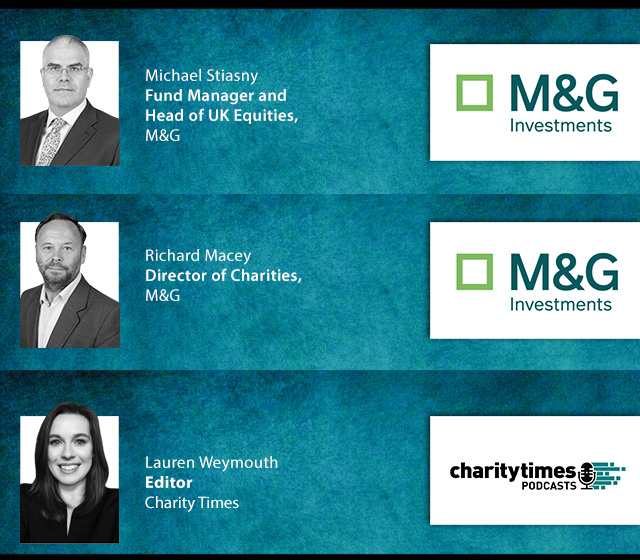
With charities facing increasing financial pressure and traditional income streams under strain, making investments work harder has never been more important. M&G’s Richard Macey and Michael Stiasny join Charity Times to discuss why equities remain a vital long-term asset class for charities, how organisations can balance income generation and growth, and the opportunities the current market environment may offer to help strengthen financial resilience.
Charity Times Awards 2023
Charity Times video Q&A: In conversation with Hilda Hayo, CEO of Dementia UK
Charity Times editor, Lauren Weymouth, is joined by Dementia UK CEO, Hilda Hayo to discuss why the charity receives such high workplace satisfaction results, what a positive working culture looks like and the importance of lived experience among staff. The pair talk about challenges facing the charity, the impact felt by the pandemic and how it's striving to overcome obstacles and continue to be a highly impactful organisation for anybody affected by dementia.




© 2021 Perspective Publishing Privacy & Cookies
Recent Stories