Charities looking to use artificial intelligence in their work are being urged not to view the technology “in a vacuum” and to ensure they consider the legal implications of its use.
The warning has come from Kieran John, managing associate of law firm Michcon de Reya who warns charities that their starting point in using AI “has to be your legal duties”.
The key legal areas he urges charities to be wary of are data collection laws and GDPR compliance, infringement risks of AI generated work and discrimination and bias in AI produced work.
Another area of risk is “hallucinations or inaccuracies”, which is a “particular risk when charities rely on AI for impact data analysis.
He says that risks can be effectively managed by checking who owns any data being use and to keep AI policies under review.
Practical steps charities can take include a skills audit to assess how much training in using AI is needed in the organisation. Nominating a board member to focus on AI is another recommendation he makes, as is seeking external advice.
“Remember, using external tools doesn’t remove responsibility in decision -making,” he adds.
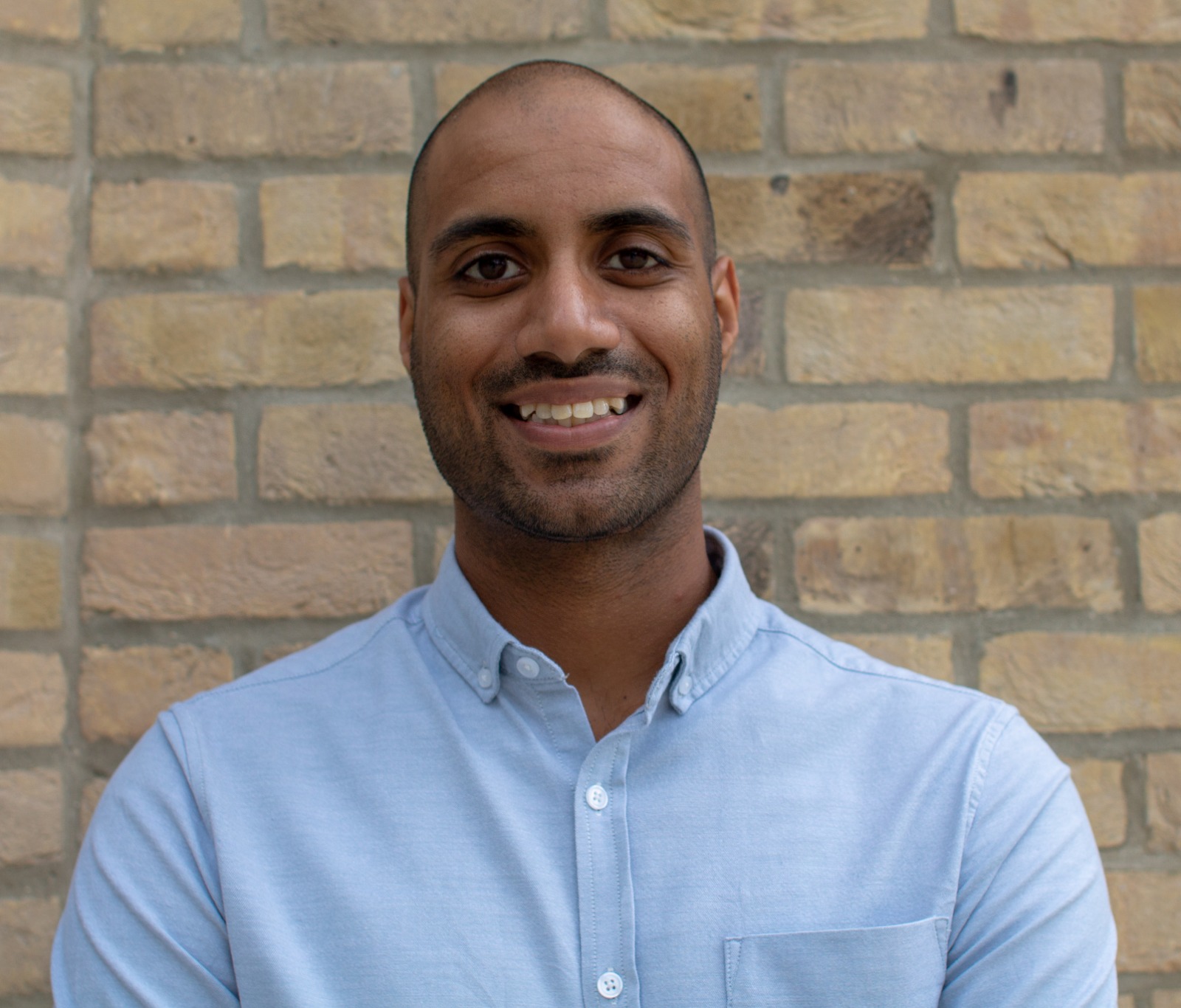
John delivered the advice during a discussion session run by think tank New Philanthropy Capital, supported by the Clothworkers’ Company.
Also speaking at the event were NPC’s director of Open for All Tris Lumley, Joseph Rowntree Foundation senior policy advisor Yasmin Ibison and Parkinson’s UK head of technology services Gabriela Caldera-Cabral, who urges charities to think of AI “as a trainee”.
She told charities that “you’re the subject matter expert, and you need to train it up”.
“Trustees need to stay informed and ask difficult questions, there may be things missed,” she added.
“Be aware of the risks, but don’t be afraid of AI.


Latest News
-
Wildlife Trusts hit £30m fundraising target for ‘once in a generation’ rewilding project
-
Charities among most generous employers for workplace perks, say researchers
-
Membership income up but commercial revenue down at NCVO
-
Charity leader welcomes ‘important step’ in improving public and voluntary sector links
-
Friday funding round up – 30 October
-
Disappointment over lack of charity sector support in Autumn Budget



Video Q&A: In conversation with Vicki Sellick MBE, CEO of Good Things Foundation
Vicki Sellick MBE, CEO of Good Things Foundation joins Charity Times editor, Lauren Weymouth to discuss her leadership journey, the organisation’s new strategy and the findings of the Digital Nation 2026 report. She explores the challenges of digital inclusion, the opportunities and risks of AI, and how the sector can ensure nobody is left behind.
Video Q&A: Benefits of bespoke investment vs pooled funds for the third sector
In this Charity Times video Q&A, editor Lauren Weymouth speaks to Ed Caswell of RBC Brewin Dolphin to explore how charities can align investment strategies with their mission, balance income and growth, and adapt to changing needs. He discusses discretionary management, responsible investment and the importance of effective governance and regular portfolio reviews.
Charity Times Awards 2023


© 2021 Perspective Publishing Privacy & Cookies
Recent Stories