
Oxfam spent too much time focussing on what it aims to achieve rather than how it’s done, a scathing report into the charity has revealed.
An interim review into the charity, published by an independent commission, claimed the way 'power is managed' and trust is ‘earned and kept’ within the organisation has been at the expense of Oxfam’s staff and the communities they serve.
“The risks associated with reporting allegations of sexual exploitation and abuse are often high; preventing and responding to such incidents requires the organization’s full commitment,” the report said.
But through conversations with staff, as well as research into Oxfam policies, procedures, and strategies, the commission said it was made aware of a “series of concerns that require redress”.
“Staff clearly communicated a pressing need to address the root causes of sexual misconduct and other egregious behaviours that put staff, partners, program participants, and ultimately the organization itself at risk.
“Staff have expressed a desire for change and called for a reformed Oxfam that creates a supportive environment for the people it serves, its staff, and its stakeholders; institutionalizes a culture of accountability; implements a “zero tolerance” workplace; is actively accountable to the communities with which it works; and recognizes and honours the diversity of survivors.”
The interim review was commissioned by Oxfam, following reports earlier this year that claimed Oxfam had tried to cover up bad behaviour among staff working in earthquake-hit Haiti.
The independent commission said it had welcomed the steps Oxfam had taken following the reports, including its pledge to improve safeguarding, but it warned efforts have so far been focussing on protecting its staff, rather than its beneficiaries.
“Oxfam has seemingly imposed reporting systems that have not been developed alongside, or with the input of, communities,” the report said.
The commission has subsequently suggested Oxfam leaders do the following:
1. Model Oxfam’s values, good behaviour, and commitment to safeguarding policies.
2. Empower and enable staff, communities, and partners to act through stronger systems when they see sexual misconduct.
3. Create space for staff to challenge bullying and negative power dynamics, and create positive space for better accountability.
4. Invest in personal and team reflections on how to improve Oxfam’s culture and behaviour for personal and collective accountability.
The independent commission is expected to conclude its work in May 2019.






Beyond the funding squeeze: Using equities to secure your charity’s future
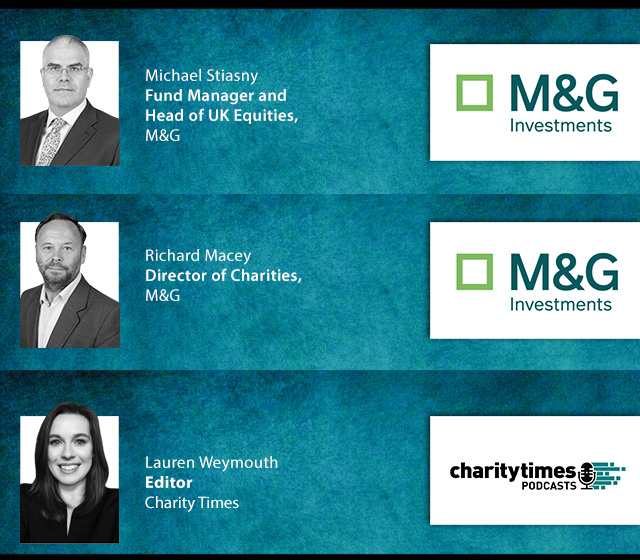
With charities facing increasing financial pressure and traditional income streams under strain, making investments work harder has never been more important. M&G’s Richard Macey and Michael Stiasny join Charity Times to discuss why equities remain a vital long-term asset class for charities, how organisations can balance income generation and growth, and the opportunities the current market environment may offer to help strengthen financial resilience.
Charity Times Awards 2023
Charity Times video Q&A: In conversation with Hilda Hayo, CEO of Dementia UK
Charity Times editor, Lauren Weymouth, is joined by Dementia UK CEO, Hilda Hayo to discuss why the charity receives such high workplace satisfaction results, what a positive working culture looks like and the importance of lived experience among staff. The pair talk about challenges facing the charity, the impact felt by the pandemic and how it's striving to overcome obstacles and continue to be a highly impactful organisation for anybody affected by dementia.




© 2021 Perspective Publishing Privacy & Cookies
Recent Stories