Louise Dawtry returns for part two of her series with clear guidance on how charities can
build cultures where staff thrive, not just cope - through the power of PX
_____________________________________________________________________
In part one of this series, I explored the emotional toll of purpose-led work and the unspoken pressure many nonprofit professionals feel to give everything, often at the expense of their own wellbeing.
But naming the problem is only the beginning. If we want to build cultures where people can do good work and feel good doing it, we need more than good intentions; we need strategy.
That’s where People Experience (PX) comes in. In this piece, I’ll share practical ways to embed PX into your organisation’s culture, so that wellbeing isn’t just a bolt-on or an afterthought, it’s built in.
PX isn’t just HR. It’s the emotional, cultural, and practical reality of what it feels like to work somewhere. It’s how people are treated, supported, and empowered, from their first day to their last. In the nonprofit sector, where purpose is high but resources are stretched, PX is often the difference between a culture that empowers people and drives sustainability and one where people feel isolated, resentful and unsupported.
Without a suitable PX strategy, we will see:
· High turnover and low morale
· Burnout disguised as “dedication”
· Inclusion efforts that don’t stick
And ultimately, we risk losing the very people who make the mission possible.
If my teams were struggling with low morale, high absence rates and turbulent retention rates, here’s what I’d do:-
Start with listening
Before strategy must come empathy. You need to be open to learning about your people. Anonymous pulse surveys, hosting listening sessions, or simply asking: What’s working? What’s draining you? People don’t need perfection from their employer, but they do want to feel heard.
Make wellbeing structural, not optional
This means that those wellbeing events and sessions are not optional, they are embedded practices. Protected lunch breaks across all teams, mental health check-ins as part of your one-to-ones, and laser-focus management of workloads. When wellbeing is part of the daily routine rather than sporadic events, it builds sustainability.
Train managers to lead with care
Your culture lives or dies in your line management. Managers need to be equipped with the tools for compassionate leadership. Knowing how to hold considerate conversations, and being able to ask the right questions at the right time is what builds resilient teams. Caring is a skill, not just a personality trait.
Audit your culture touchpoints
Every moment throughout the employee journey, from onboarding to exit interviews, is a chance to reinforce your actual organisational values. Ask yourself “Does this process reflect the culture we want, or the one we’ve inherited”
Celebrate boundaries, not just outcomes
There is nothing worse than working somewhere with a culture of busyness. It is deeply unhealthy and discourages openness and psychological safety. If this is happening in your organisation, then it’s time to shift the narrative. Praise your people for understanding themselves well and modelling sustainable work. Take your lunch breaks, hold walk or wheel meetings outdoors, block your diary to ensure you work in a sustainable way. Passion without boundaries does not demonstrate commitment, it’s signals collapse.
When PX is prioritised, everything changes. Retention improves. Sickness absence reduces. Teams collaborate more. Strategy becomes clearer. And most importantly people feel safe enough to bring their whole selves to work.
In Part 3, I’ll explore how funders, boards, and senior leaders can champion PX because culture change doesn’t just start at the grassroots, it starts at the top.
____________________________________________________________________
Author bio: Louise Dawtry is a People & Culture strategist, and founder of ‘What’s the Chari-tea?’ community and podcast. She advocates for better wellbeing in the nonprofit sector and regularly writes, speaks and consults on building resilient, people-first nonprofit organisations.You can follow Louise on LinkedIn https://www.linkedin.com/in/louisedawtry/ and What’s the Chari-tea? on Instagram - https://www.instagram.com/whatsthecharitea/


Latest News
-
Arts venue charity to close after ‘exhausting all possible alternatives’
-
Hospice charity repeatedly targeted by criminals launches appeal to improve security
-
Children’s charity refreshes brand to be clearer ‘about who it is’
-
Monday movers – 12 October 2026
-
Council terminates charity’s £8.57m children's care home contract early amid staffing concerns
-
Charity boss shows her 'vulnerability' as she posts emotional grant rejection video


Beyond the funding squeeze: Using equities to secure your charity’s future
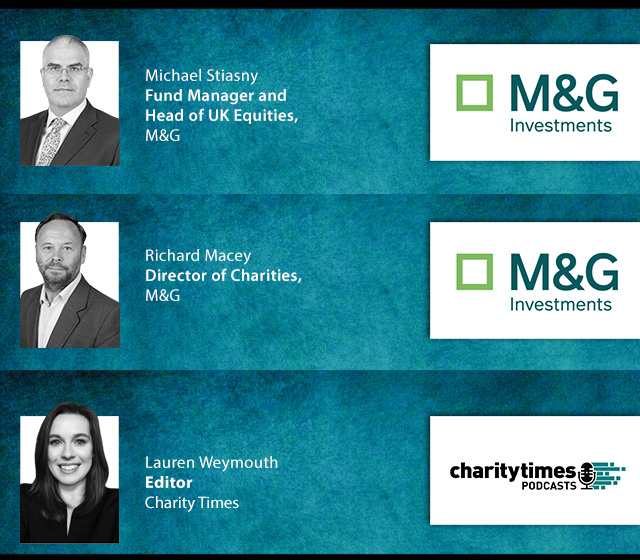
With charities facing increasing financial pressure and traditional income streams under strain, making investments work harder has never been more important. M&G’s Richard Macey and Michael Stiasny join Charity Times to discuss why equities remain a vital long-term asset class for charities, how organisations can balance income generation and growth, and the opportunities the current market environment may offer to help strengthen financial resilience.
Charity Times Awards 2023
Charity Times video Q&A: In conversation with Hilda Hayo, CEO of Dementia UK
Charity Times editor, Lauren Weymouth, is joined by Dementia UK CEO, Hilda Hayo to discuss why the charity receives such high workplace satisfaction results, what a positive working culture looks like and the importance of lived experience among staff. The pair talk about challenges facing the charity, the impact felt by the pandemic and how it's striving to overcome obstacles and continue to be a highly impactful organisation for anybody affected by dementia.




© 2021 Perspective Publishing Privacy & Cookies
Recent Stories