
A survey of mass participation event goers suggests charities should be focusing their fundraiser recruitment efforts on targeting young women.
The survey of more than 40,000 of those taking part carried out by Massive found that almost two in three new participants, who took part for the first time within the last two years, are women.
Women’s involvement as new participants is higher than among more established participants, who have more than two years’ experience of taking part. Among these participants less than half are women.
Massive found the predominance of women among those taking part in events for the first time recently “is even more notable among younger age groups, where females make up a significant majority”.
It said that “events are successfully attracting young women at a higher rate than young men”, according to Massive’s Mass Participation Pulse 2026 report.
Their survey suggests there is greater scope for the charity sector, as well event organisers, to recruit more participants, particularly young women.
Currrently only one in 20 participants is recruited by charities, despite one in seven raising money for good causes.
This is underlined by the survey’s finding that just under seven in ten of fundraisers chose the event or challenge they take part in, before selecting the charity that will benefit.
“For the majority of fundraisers, the event or challenge is the starting point, not the charity,” said Massive.
It said: “This highlights the critical role events play for charities in recruiting and inspiring their fundraisers, adding, “the relationship between charities and event organisers continues to be a strong and mutually beneficial one with millions raised by event participants every year”.
The average amount raised by participants increased slightly this year from £1,425 in 2024 to £1,453 last year, “but was essentially flat”, found Massive.
Most events involve running distances including marathons, the survey found.
Social media
Social media is vital for charities to promote events, particularly among women, the survey found. This is the most important way for all people to find out about events, up from being the third most important three years ago.
Women are 10% more likely than men to hear about events on social media. They are also more likely to be influenced by friends and family in decisions around signing up.
Event listing sites and reviews are more influential drivers of participation among men.
Barriers to taking part
Fundraising recruiters are also urged to be aware of the main barriers facing participants from taking part.
Financial pressures are the main barrier cited by almost one in three participants who are looking to cut back on the number of events they take part in, although this is less of a concern for those over 50-year-olds.
Among under 35s, time constraints are the biggest barrier, with half of 18- to 24-year-olds citing other time commitments s a reason for reducing their participation.
There are also concerns around costs of taking part, with entrants spending an average of £189 to participate. Only just over a third believe this offers good value.
Despite barriers, overall expectations of a strong turnout at events in 2026 is high, with almost nine in ten saying they plan to maintain or increase participation during the year.
However, the number of new entrants is declining, from more than one in four of those involved, to a fifth.


Latest News
-
Arts venue charity to close after ‘exhausting all possible alternatives’
-
Hospice charity repeatedly targeted by criminals launches appeal to improve security
-
Children’s charity refreshes brand to be clearer ‘about who it is’
-
Monday movers – 12 October 2026
-
Council terminates charity’s £8.57m children's care home contract early amid staffing concerns
-
Charity boss shows her 'vulnerability' as she posts emotional grant rejection video


Beyond the funding squeeze: Using equities to secure your charity’s future
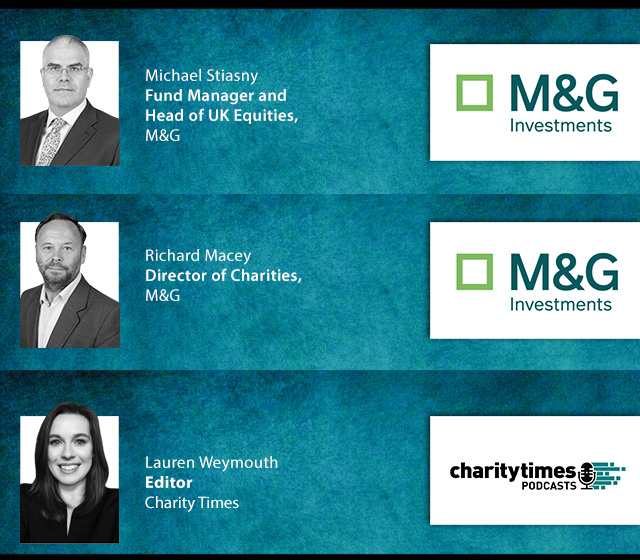
With charities facing increasing financial pressure and traditional income streams under strain, making investments work harder has never been more important. M&G’s Richard Macey and Michael Stiasny join Charity Times to discuss why equities remain a vital long-term asset class for charities, how organisations can balance income generation and growth, and the opportunities the current market environment may offer to help strengthen financial resilience.
Charity Times Awards 2023
Charity Times video Q&A: In conversation with Hilda Hayo, CEO of Dementia UK
Charity Times editor, Lauren Weymouth, is joined by Dementia UK CEO, Hilda Hayo to discuss why the charity receives such high workplace satisfaction results, what a positive working culture looks like and the importance of lived experience among staff. The pair talk about challenges facing the charity, the impact felt by the pandemic and how it's striving to overcome obstacles and continue to be a highly impactful organisation for anybody affected by dementia.




© 2021 Perspective Publishing Privacy & Cookies
Recent Stories