
Paying fundraisers a commission based on the amount of donations they generate for a charity can harm their psychological wellbeing, a report is warning.
The report by think tank Rogare is calling for safeguards to be put in place to better protect fundraisers who are being paid by commission.
Wellbeing concerns include commission payments “making it harder for them to resist inappropriate donor behaviour”.
They can also be impacted psychologically by potential “division” and “resentment” caused by organisations blaming fundraisers for failing to hit targets, and fundraisers blaming their employer for not helping them meet targets.
There are also concerns that being paid by commission rather than a salary can create a “gig economy”, with days without earning causing harm to their wellbeing. Also “some may take on a number of commission-based gigs to ensure they can make ends meet, leading to burnout”.
Overall payment by commission can make “a very stressful job even more stressful and thus becoming yet another contributory cause of burnout”.
Rogare is recommending that commissions should never be the sole form of remuneration and should always be part of a mix of different types of payment.
Commissions should also never be for salaried fundraising staff at a charity and instead only be paid to agency or freelance fundraisers.
It should also only be paid if there are safeguards in place to protect fundraisers’ wellbeing, it adds.
“If charities cannot put these safeguards in place – especially to exercise their duty of care to protect the psychological wellbeing of their fundraisers – then they should not be using commission as part of their remuneration packages, irrespective of whether the relevant code of practice permits it,” states the report.
Report co-author Heather Hill said that conversations around paying fundraisers a commission “is long overdue and we are pleased to offer this paper as a way of jumpstarting critical thinking around the issue”.
She added: “We would like to make it clear that we are neither arguing for nor against commission-based pay for fundraisers, only evaluating the ethical arguments.”


Latest News
-
Arts venue charity to close after ‘exhausting all possible alternatives’
-
Hospice charity repeatedly targeted by criminals launches appeal to improve security
-
Children’s charity refreshes brand to be clearer ‘about who it is’
-
Monday movers – 12 October 2026
-
Council terminates charity’s £8.57m children's care home contract early amid staffing concerns
-
Charity boss shows her 'vulnerability' as she posts emotional grant rejection video


Beyond the funding squeeze: Using equities to secure your charity’s future
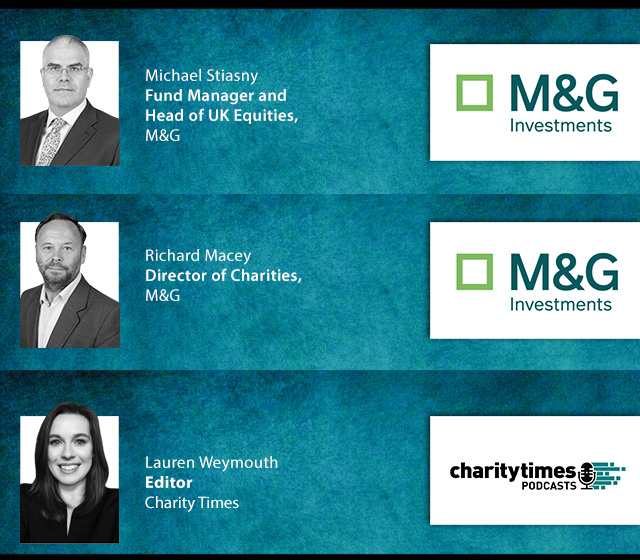
With charities facing increasing financial pressure and traditional income streams under strain, making investments work harder has never been more important. M&G’s Richard Macey and Michael Stiasny join Charity Times to discuss why equities remain a vital long-term asset class for charities, how organisations can balance income generation and growth, and the opportunities the current market environment may offer to help strengthen financial resilience.
Charity Times Awards 2023
Charity Times video Q&A: In conversation with Hilda Hayo, CEO of Dementia UK
Charity Times editor, Lauren Weymouth, is joined by Dementia UK CEO, Hilda Hayo to discuss why the charity receives such high workplace satisfaction results, what a positive working culture looks like and the importance of lived experience among staff. The pair talk about challenges facing the charity, the impact felt by the pandemic and how it's striving to overcome obstacles and continue to be a highly impactful organisation for anybody affected by dementia.




© 2021 Perspective Publishing Privacy & Cookies
Recent Stories