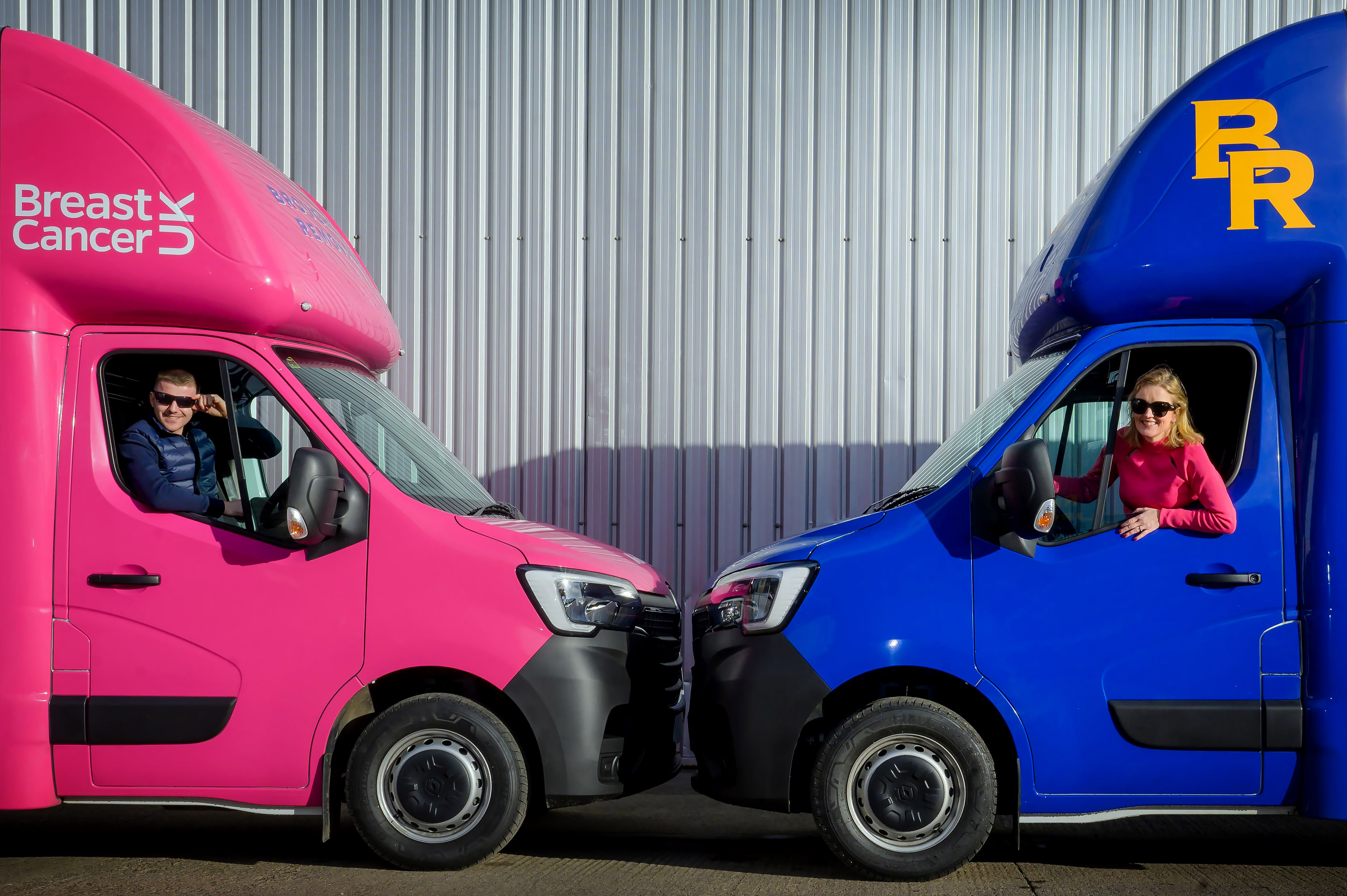
The recently appointed chair of the Barratt Redrow Foundation John Hannaford discusses his new role.
What is the Barratt Redrow Foundation?
The Barratt Redrow Foundation was set up in 2021 to mark housebuilder Barratt Redrow building its 500,000th home.
The aim is to professionalise and grow charitable giving, including grantmaking, fundraising and volunteering, ultimately making a greater impact in the communities across the UK where Barratt Redrow operates.
We work closely with national and local partners to support children, young people and those most disadvantaged across the country. Since 2021, the foundation has supported more than 100,000 young people each year across the UK.
What are the biggest challenges you face as its chair?
The challenges facing young people in the UK today are ever bigger and more complex; this means that supporting charities that help the next generation to thrive and succeed is vital.
One of the biggest challenges, but something I look forward to addressing, will be continuing to maximise the foundation’s impact at a time when demand for funding and support remains high. It’s important that we focus our support on where it can make the greatest difference and reach those who need it most.
As chair, it’s also about balancing immediate needs with long-term impact. The foundation has achieved a great deal in a relatively short period of time, and my role is to build on that success while ensuring we remain focused on our mission of helping disadvantaged communities to thrive.
Could you tell us a bit about your background and what brought you into the role?
I recently retired from full-time work. I spent my entire career in finance as both an accountant and an investment banker, and I was lucky to have had Barratt as a client for the best part of two decades.
This gave me insight into the work they do to help communities thrive. In my banking career, my employer, Credit Suisse, was very supportive of employees taking charitable roles outside of the office, and I have now sat on the boards of four separate charities: FightforSight, Independent Age, Asthma + Lung UK and now the Barratt Redrow Foundation.
Throughout my career, I’ve had the pleasure of working with great people and businesses, but I’ve always been passionate about using my experiences to help others. I’ve been driven to make a real difference to people facing disadvantages, particularly among young people. I was attracted by the foundation’s commitment to creating lasting impact through long-term partnerships.
Working with the foundation allows me to combine my charity experience with my long-standing admiration for Barratt Redrow.
In taking up the role in July this year, I was particularly drawn to the organisation’s track record in philanthropy, including initiatives that support former servicemen and women in transitioning into careers in the construction industry, as well as its commitment to employee volunteering programmes.
Many young people in the UK today face significant and complex challenges that impact their ability to thrive and achieve positive educational and employment outcomes, particularly those living with disabilities and poor mental health. The charities we support are performing vital work within their communities, helping to address these challenges and create opportunities for young people to reach their full potential.
How did you transition into this new role?
A highlight has been getting out and meeting our national charity partners and the people behind the projects we support. Nothing compares to hearing and seeing first-hand the difference they are making to support communities across the country.
It's also been a pleasure meeting the Barratt Redrow employees who dedicate their time to volunteering and fundraising activities. Seeing first-hand the commitment of both our charity partners and colleagues has reinforced the important role the foundation plays in creating positive change.
I’ve also had a fantastic opportunity to meet many of the young people who are benefiting from the support provided by our national charity partners. Learning about their experiences and hearing directly from them has been incredibly rewarding and highlighted the difference these organisations make to the lives of young people across the UK.
What are your hopes and ambitions for the future of the Foundation?
I am keen to see the foundation continue to make a difference in combating disadvantage, in particular with its chosen national charity partners, where our funding and support are making a real difference in the valuable work they do.
I would also like to see the foundation gain greater recognition for the impact it is having across the UK. Our charity partners are achieving extraordinary things, and I believe there is an important opportunity to raise awareness of the difference this support is making to communities nationwide.
What does success look like over the next few years?
Success looks like continuing to make a tangible difference to communities around the UK. I look forward to guiding the foundation’s strategy and ensuring it continues to deliver meaningful impact for communities.
Success is also about seeing and hearing young people overcome disadvantage and thrive, whether in education, employment or in their wider lives. Equally important is supporting our charity partners as they work to address the root causes of disadvantage, helping to create more opportunities for future generations.


Latest News
-
Hospice charity consults staff on restructure plans amid £1.8m deficit
-
Charity secures ten-year government contract worth £85m
-
Mental Health charity rebrands
-
Millionaire charity founder's legacy mismanaged by trustees, regulator finds
-
Charity reports itself to police and regulator after ‘significant concerns’ emerge
-
Civil society is ‘critical to the success of our country’, says PM


Video Q&A: In conversation with Vicki Sellick MBE, CEO of Good Things Foundation
Vicki Sellick MBE, CEO of Good Things Foundation joins Charity Times editor, Lauren Weymouth to discuss her leadership journey, the organisation’s new strategy and the findings of the Digital Nation 2026 report. She explores the challenges of digital inclusion, the opportunities and risks of AI, and how the sector can ensure nobody is left behind.
Video Q&A: Benefits of bespoke investment vs pooled funds for the third sector
In this Charity Times video Q&A, editor Lauren Weymouth speaks to Ed Caswell of RBC Brewin Dolphin to explore how charities can align investment strategies with their mission, balance income and growth, and adapt to changing needs. He discusses discretionary management, responsible investment and the importance of effective governance and regular portfolio reviews.
Charity Times Awards 2023



© 2021 Perspective Publishing Privacy & Cookies
Recent Stories