
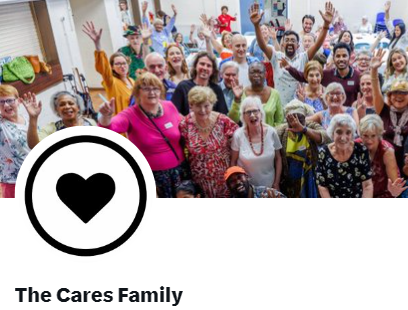
A "high turnover of directors and key staff", as well as concerns over budgeting and “unanticipated” liabilities, have emerged as key factors in the closure of the Cares Family charity and its network of local organisations, which was announced earlier this month.
In announcing its closure, the charity, which focused on tackling loneliness, said: “The sad reality is that, like many charities, we’re in a desperately difficult fundraising environment”.
It added that “while support for tackling isolation increased during the pandemic, in the current economic climate this has fallen away significantly, with many pressing issues competing for the limited support available”.
But in documents seen this week by Charity Times a raft of further reasons are cited for its demise by directors of the charity, which includes a network of local organisations in London, Liverpool and Manchester.
A key reason highlighted is a high turnover of senior staff, which impacted on Care Family’s “ability to develop and implement an appropriate plan to reduce costs and/or generate more funds”, the documents reveal.
Also, its budget “did not include sufficient resilience to withstand missed targets on fundraising or a move to a more sustainable operating model, particularly given the lack of unrestricted funding in the charity’s reserves and the time available”.
In addition, the charity was faced with “unanticipated liabilities including to HMRC”.
The documents from financial firm RSM into the charity’s problems also details how the organisation first experienced “significant financial difficulties” in 2022. It ended the financial year in 2021/22 with an income of £948,743 and spending of a similar amount at £948,561.
Also detailed is the "challenging fundraising environment" and funding sources becoming "more competitive to secure" that faced the charity in its final months.
The cost of living crisis is also cited with the directors saying the charity faced "higher operational and delivery costs than anticipated due to high inflation".
During 2022 the directors agreed that the company and its connected charities, needed to identify a more sustainable operating model,” says the document.
But in April this year the charity’s founding chief executive left and this July a deficit budget was agreed on the basis that there was enough funds to support this decision and that a new permanent chief executive was due to start in the following month.
The charity’s newly appointed chief executive Nicola Upton raised concerns with the charity’s directors that “this anticipated approach was unachievable due to the lack of unrestricted funding available", the RSM documents reveal.
Upton also raised concerns with directors in September that the organisation’s “cash at bank had reached a critical point” and without “a significant injection of funding immediately” it was “likely to run out of available funds to meet its spending commitments in the coming month”.
By October the charity’s directors decided to place the organisation into liquidation and on 26 October RSM were instructed to assist with the winding up of the organisation and its associated charities.
Most of the charity’s staff were made redundant on 31 October and small team remained until 3 November to assist the trustees “with an orderly wind down”. Around 45 employees were impacted by the closure.
In a post on LinkedIn earlier this month Upton said that her time as chief executive of the Cares Family was “not the role I anticipated”.

Latest News
-
Next generation of philanthropists ‘asking tougher questions’
-
Small charities leadership programme to expand following £450,000 grant
-
Monday movers – 21 September 2026
-
Charities urged to prepare early for festive mobile giving spike
-
Record £370m dormant accounts haul for good causes ‘not expected to be repeated’
-
Friday funding round up – 18 September


.jpg)

Beyond the funding squeeze: Using equities to secure your charity’s future

With charities facing increasing financial pressure and traditional income streams under strain, making investments work harder has never been more important. M&G’s Richard Macey and Michael Stiasny join Charity Times to discuss why equities remain a vital long-term asset class for charities, how organisations can balance income generation and growth, and the opportunities the current market environment may offer to help strengthen financial resilience.
Charity Times Awards 2023
Charity Times video Q&A: In conversation with Hilda Hayo, CEO of Dementia UK
Charity Times editor, Lauren Weymouth, is joined by Dementia UK CEO, Hilda Hayo to discuss why the charity receives such high workplace satisfaction results, what a positive working culture looks like and the importance of lived experience among staff. The pair talk about challenges facing the charity, the impact felt by the pandemic and how it's striving to overcome obstacles and continue to be a highly impactful organisation for anybody affected by dementia.





© 2021 Perspective Publishing Privacy & Cookies
Recent Stories