Brain Tumour Research has appointed fundraising veteran Russell Marriott as its director of income generation and development.
He joins after more than three decades experience in fundraising roles, raising more than £750m to date at organisations, including the Old Vic Theatre, Royal Institution of Engineering and Technology and automate industry charity BEN.
In his role at Brain Tumour Research he will over see its income generation strategy of raising £35m a year for brain tumour research.
“Russell joins at a challenging and exciting time,” said the charity’s chief executive Sue Farrington Smith.
“Thanks to our loyal supporters we are looking forward to a period of continued growth and remain confident in our ambition to extend our network of Brain Tumour Research Centres of Excellence in the UK.”
Marriott, who has lost a relative due to a brain tumour, added: “Sadly, like so many people, I have first-hand experience of this devastating disease and I am very pleased to be joining Brain Tumour Research at what I hope will be a pivotal time in the growth of the charity as it strives towards finding a cure for all types of brain tumour.”

Latest News
-
Dismay over youth suicide prevention charity's collapse
-
Sally Hogg: How charities can build a public mandate in a multi-party age
-
Youth suicide prevention charity closes amid ‘a reduction in reliable funding’
-
Macmillan income reaches record level after ‘exceptional’ £22.4m legacy gift
-
Think tank boss takes senior role at grant maker
-
Children’s charity defends dropping Real Living Wage commitment




Beyond the funding squeeze: Using equities to secure your charity’s future
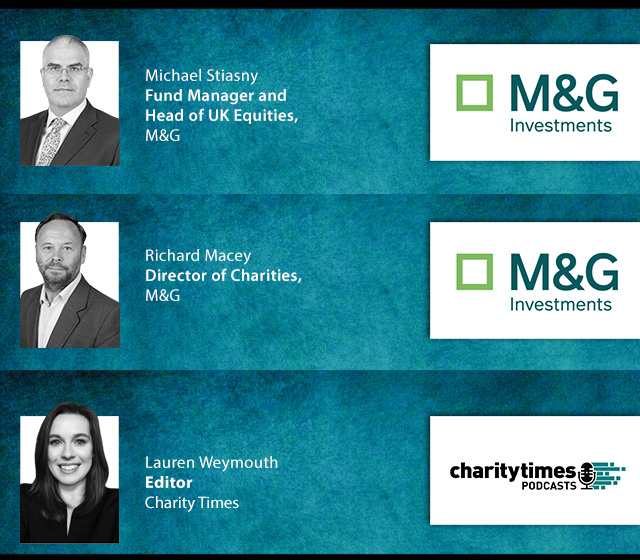
With charities facing increasing financial pressure and traditional income streams under strain, making investments work harder has never been more important. M&G’s Richard Macey and Michael Stiasny join Charity Times to discuss why equities remain a vital long-term asset class for charities, how organisations can balance income generation and growth, and the opportunities the current market environment may offer to help strengthen financial resilience.
Charity Times Awards 2023
Charity Times video Q&A: In conversation with Hilda Hayo, CEO of Dementia UK
Charity Times editor, Lauren Weymouth, is joined by Dementia UK CEO, Hilda Hayo to discuss why the charity receives such high workplace satisfaction results, what a positive working culture looks like and the importance of lived experience among staff. The pair talk about challenges facing the charity, the impact felt by the pandemic and how it's striving to overcome obstacles and continue to be a highly impactful organisation for anybody affected by dementia.





© 2021 Perspective Publishing Privacy & Cookies
Recent Stories