
Fewer charities reported incidents of fraud or attempted fraud over the last year, however fears of an increase in cyber attacks persists among more than half of charities, a survey has found.
The findings have been revealed in the latest Charity Fraud Survey, published by BDO in collaboration with the Fraud Advisory Panel and involving the views of 164 charities during 2025.
This found that just over a third of charities had reported fraud or attempted fraud over 2025, down on the previous year when more than two in five reported an attack.
The average number of incidents experienced by those reporting fraud has also dipped to between three and seven, compared to between four and seven the previous year, and between five and eight in 2023.
Just under three in four charities say they suffered financial loss due to fraud during 2025, down in the previous year when more than four in five lost money.
The average loss per fraud ranged between £11,000 and £110,000.
Cybercrime fears
However, more than half of charities expect fraud risk to increase over the next 12 months, marginally up on the half of charities that expected the same when surveyed in 2024.
Cyber related fraud is the most frequently cited concern, including phishing, ransomware and issues caused by AI.
More than two in five charities say they have acted in light of recent high profile cyber-attacks, including just under a fifth who said they had implemented IT and cyber security updates.
The survey also found that two in five say they have not taken any action around cyber security over 2025.
Economic challenges are another driver of fraud, according to more than three in five charities.
‘Over-reliance on trust’
Barriers to tackling fraud include an “over-reliance on trust”, which is reported by just under half of charities. This is up on the almost two in five reporting the same barrier the previous year.
Lack of fraud awareness is another barrier, mentioned by almost three in ten charities, up on the less than one in five raising this issue in 2024.
Resource issues is also raised, by just under half of charities, marginally up on the previous year.
One in five say they did not invest in fraud prevention, a slight increase on the previous year.
Just over two in five charity representatives surveyed believe their financial investment in fraud prevention is enough to tackle risks, compared to more than half when surveyed the previous year.
While most charities have policies in place for tackling fraud, managing conflicts of interest and whistleblowing less than half have a fraud response place in place and a similar proportion have a cyber response plan.
Less action being taken
Charities are also taking less action when fraud is discovered. Less than half report incidents to police, compared to just over half the previous year.
Less than one in three took internal disciplinary action, compared to just under half the previous year. Around one in seven took no action, the same as the previous year but down on the almost one in four acting on incidents in 2023.
Among respondents more than half had an income of more than £10 a year, while one in six’s annual income was under £1m. A third of response were complected by finance directors.
Later this month BDO will publish a five-year Charity Fraud Report review, looking at trends in how charities are tackling the issue since 2021.


Latest News
-
Arts venue charity to close after ‘exhausting all possible alternatives’
-
Hospice charity repeatedly targeted by criminals launches appeal to improve security
-
Monday movers – 12 October 2026
-
Council terminates charity’s £8.57m children's care home contract early amid staffing concerns
-
Charity boss shows her 'vulnerability' as she posts emotional grant rejection video
-
English speaking fundraising ideas may be ‘crowding out’ local strategies


Beyond the funding squeeze: Using equities to secure your charity’s future
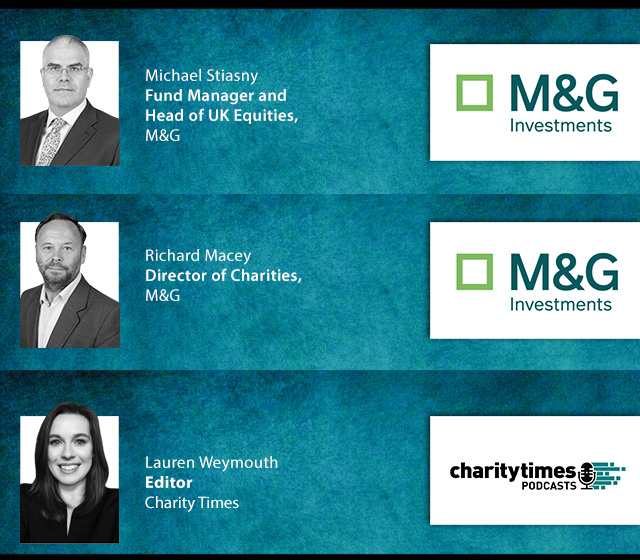
With charities facing increasing financial pressure and traditional income streams under strain, making investments work harder has never been more important. M&G’s Richard Macey and Michael Stiasny join Charity Times to discuss why equities remain a vital long-term asset class for charities, how organisations can balance income generation and growth, and the opportunities the current market environment may offer to help strengthen financial resilience.
Charity Times Awards 2023
Charity Times video Q&A: In conversation with Hilda Hayo, CEO of Dementia UK
Charity Times editor, Lauren Weymouth, is joined by Dementia UK CEO, Hilda Hayo to discuss why the charity receives such high workplace satisfaction results, what a positive working culture looks like and the importance of lived experience among staff. The pair talk about challenges facing the charity, the impact felt by the pandemic and how it's striving to overcome obstacles and continue to be a highly impactful organisation for anybody affected by dementia.




© 2021 Perspective Publishing Privacy & Cookies
Recent Stories