Charity job candidates are becoming increasingly concerned about the impact of artificial intelligence (AI) on their chances of securing role and future career prospects in the sector, a survey has found.
This is despite the majority of candidates using AI when applying for roles, according to the survey of more than 3,000 candidates by website CharityJob.
It found that one in five strongly agree there is a lack of job opportunities in the sector due to an increase in AI’s impact on roles and tasks. The previous year just one in 16 were as concerned.
It also found that more than one in three candidates strongly agree it is harder for their application to stand out because of an increase in people using AI to tailor theirs, compared to less than one in four feeling as strongly when surveyed the previous year.
More than half say they would prefer a recruiter rather than AI reviewed their application, compared to less than half in last year’s survey.
Higher levels of concern about AI’s impact on the charity employment market are particularly prevalent among younger candidates, especially those aged 24 and under. While almost nine in ten of this age group say they are concerned about the future of AI, this proportion falls to under two in three among those aged 50 to 64.
“These patterns likely reflect the challenges younger candidates face,” said CharityJob.
“Being newer to the workforce, they’re more likely to hold entry-level or graduate positions – roles at higher risk of automation. Their concerns may also be heightened by this year’s tough recruitment market, where competition for jobs has been particularly strong.”
The survey found only small differences in attitudes mong men and women on the future of AI in the workplace.
However, more than nine in ten non-binary candidates are concerned, compared to just over seven in ten among all candidates.
Opinion is divided among candidates over their own use of AI to apply for roles. Just over one in ten strongly believe it will increase their chances of getting hired, while just under one in ten strongly believe the technology won’t help.
The use of AI is used by most candidates, the survey found, with almost two thirds saying they are using the technology to apply for roles.
The most common uses are deploying AI to create a cover letter, cited among seven in ten candidates that used the technology. Just over half used it for interview preparation and almost half used it for creating a CV.
Recruiters’ views
More than 100 recruiters were also surveyed for CharityJob’s study. Just over half are concerned about the recruitment sector’s “overreliance on AI”. Three in ten raised concerns around inaccuracies and one in four thought that bias and discrimination is a challenge of using AI in recruitment.
“AI can be a powerful tool in charity recruitment, but only if it’s used responsibly,” said CharityJob co-founder Raya Wexler.
“Our research shows strong support for AI as a support tool — but not as a decision-maker.
“The sector has an opportunity now to set clear, ethical standards that protect fairness and ensure people remain at the heart of hiring.”
UK wide picture
Meanwhile, a study published by investment bank Morgan Stanley this week found that the UK is losing more jobs to AI than it is creating.
It found that the UK employers across all sectors reported net job losses of 8% caused by AI over the last 12 months, which is the highest among countries looked at, including the United States, Japan, Australia and Germany.


Latest News
-
Arts venue charity to close after ‘exhausting all possible alternatives’
-
Hospice charity repeatedly targeted by criminals launches appeal to improve security
-
Children’s charity refreshes brand to be clearer ‘about who it is’
-
Monday movers – 12 October 2026
-
Council terminates charity’s £8.57m children's care home contract early amid staffing concerns
-
Charity boss shows her 'vulnerability' as she posts emotional grant rejection video


Beyond the funding squeeze: Using equities to secure your charity’s future
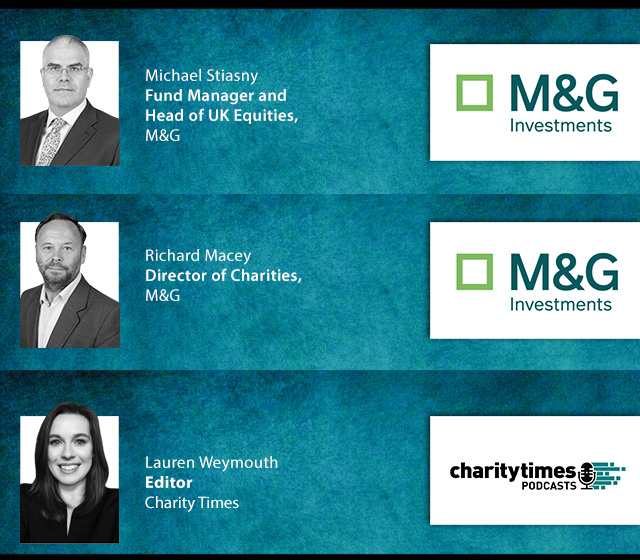
With charities facing increasing financial pressure and traditional income streams under strain, making investments work harder has never been more important. M&G’s Richard Macey and Michael Stiasny join Charity Times to discuss why equities remain a vital long-term asset class for charities, how organisations can balance income generation and growth, and the opportunities the current market environment may offer to help strengthen financial resilience.
Charity Times Awards 2023
Charity Times video Q&A: In conversation with Hilda Hayo, CEO of Dementia UK
Charity Times editor, Lauren Weymouth, is joined by Dementia UK CEO, Hilda Hayo to discuss why the charity receives such high workplace satisfaction results, what a positive working culture looks like and the importance of lived experience among staff. The pair talk about challenges facing the charity, the impact felt by the pandemic and how it's striving to overcome obstacles and continue to be a highly impactful organisation for anybody affected by dementia.



© 2021 Perspective Publishing Privacy & Cookies
Recent Stories