Charity board members have admitted that their worst performing area of governance is improving equality, diversity and inclusion (EDI) in their organisation.
Trustees of small charities are particularly concerned about their lack of action to improve EDI in comparison to their larger counterparts. Those in lower income charities are also among those who are more likely to believe they are the worst performers in this area.
The survey has been carried out by Directory of Social Change among more than 1,000 users of its governance app.
The three aspects of EDI work trustees score lowest in are engaging in learning and reflection, leading their organisation in improving EDI, and monitoring targets.
“Overall, questions about equality, diversity, and inclusion had the highest variance between scores, and least consensus between users),” DSC added.
“Compared to other governance areas, user opinions were more acutely split between those that felt their board was performing well in this area, and those that found it more challenging.”
Lack of action to tackle diversity
A number of reports in recent years have highlighted a lack of action by charity leaders’ to improve equality in their organisations.
Among the most damning was last year’s Warm Words Cold Comfort report by ACEVO and Voice4Change England which found that senior staff are most often cited as having “a significant role in acts of racism”.
Also last year, the RACE Report campaign found that the proportion of global majority staff in environmental charities had flatlined and “difficult conversations” were needed to improve diversity.
Elsewhere in DSC’s survey, opinions on the openness and accountability of organisations is another divisive governance topic, in particular around publishing staff remuneration details.
In contrast, most charity boards believe their organisation shows strong leadership and sense of purpose.
Integrity is the governance area charity leader believe they perform best at, cited by four in five trustees.
“Scores showed that ‘acting with honesty, trustworthiness and care’ was the specific aspect of integrity that app users felt their organisations did best,” said DSC.


Latest News
-
Commission chair hits out at ‘thuggery and intimidation’ aimed at RNLI volunteers
-
Funders need to do more to avert charity infrastructure 'earthquake', says Commission chair
-
RSPB set to cut workforce by 6% amid ‘challenging economic backdrop’
-
Friday funding round up – 16 October
-
Directory of Social Change to close amid ‘huge financial pressures’
-
Rare banknotes charity shop donation raises over £85,000





Beyond the funding squeeze: Using equities to secure your charity’s future
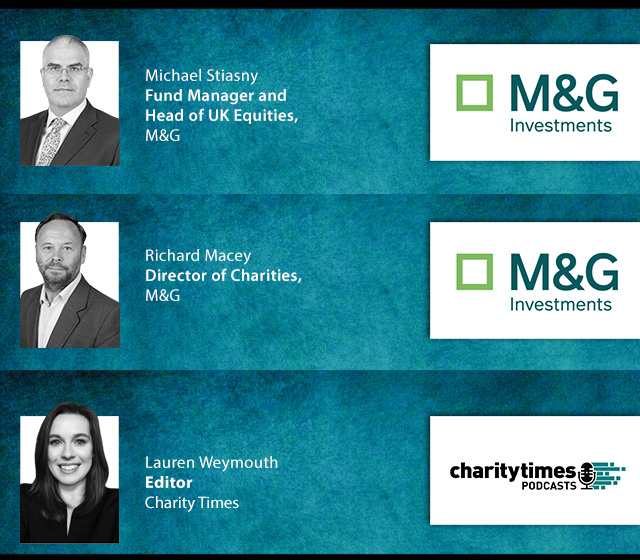
With charities facing increasing financial pressure and traditional income streams under strain, making investments work harder has never been more important. M&G’s Richard Macey and Michael Stiasny join Charity Times to discuss why equities remain a vital long-term asset class for charities, how organisations can balance income generation and growth, and the opportunities the current market environment may offer to help strengthen financial resilience.
Charity Times Awards 2023
Video Q&A: Benefits of bespoke investment vs pooled funds for the third sector
In this Charity Times video Q&A, editor Lauren Weymouth speaks to Ed Caswell of RBC Brewin Dolphin to explore how charities can align investment strategies with their mission, balance income and growth, and adapt to changing needs. He discusses discretionary management, responsible investment and the importance of effective governance and regular portfolio reviews.




© 2021 Perspective Publishing Privacy & Cookies
Recent Stories