A damning NCVO has found “a lack of interest or action on diversity and inclusion at senior leadership levels” within charities surrounding volunteering.
This inaction by charity leaders is among key barriers Black, Asian and Minority Ethnic (BAME) and disabled people are facing when offering their time for free to good causes.
Disabled volunteers are faced with “daunting application forms or inaccessible buildings”. One in seven (16%) disabled volunteers said that volunteering negatively impacted on their health and wellbeing, compared to less than one in ten (9%) non disabled volunteers.
Meanwhile, promotion of volunteering is leaving some volunteers excluded and inflexible roles are not taking into account the diverse lives of volunteers.
In addition, the NCVO found “negative attitudes of staff or other volunteers that create a closed or exclusive culture”.
“If governing bodies and senior staff embrace diversity, it is more likely to be prioritised, resourced, and embedded.,” states the report.
“Where senior level buy-in was in place, organisations were much more likely to be successful in creating inclusion and increasing diversity within volunteering.”
Satisfaction rates among BAME volunteers was lower, at 91%, than among white volunteers, at 96%, the NCVO research found.
The findings have been revealed in the NCVO’s report Time Well Spent: Diversity and Volunteering. This is the third in a series of focused reports by the charity infrastructure organisation into volunteering.
“Our research shows that while organisational approaches to diversity are shifting across the voluntary sector, there are still significant barriers to diversity and inclusion in volunteering,” said NCVO director of membership and engagement Sarah Vibert.
Lessons for the charity sector to learn, include simplifying volunteer recruitment and support processes, improving messaging and imagery around promotion and creating clear processes to challenge discriminatory behaviour.
The report notes that, “if volunteers see themselves in organisational imagery they are likely to feel more welcome”.
Diversity must also be embedded across charities’ organisation, including among trustees, leaders and staff, the NCVO warns.
Vibert added: “The recommendations in our report, such as providing better support and a welcoming environment for volunteers, will improve the volunteer experience for many, and help organisations attract and retain a broader range of volunteers in the months and years to come.”


Latest News
-
Dispute risks ‘bringing disability charity to a halt’, warns regulator
-
Fears emerge that regulation is being ‘weaponised’ against Muslim charities
-
Charity boss to step down after being made a peer
-
Infrastructure charity joins hospice before financial pressures put services 'at risk’
-
Cyber-attack preparation ‘limited or non-existent’ in over two in five charities, survey finds
-
Scope apologies after dropping choir over founder’s gender-critical views


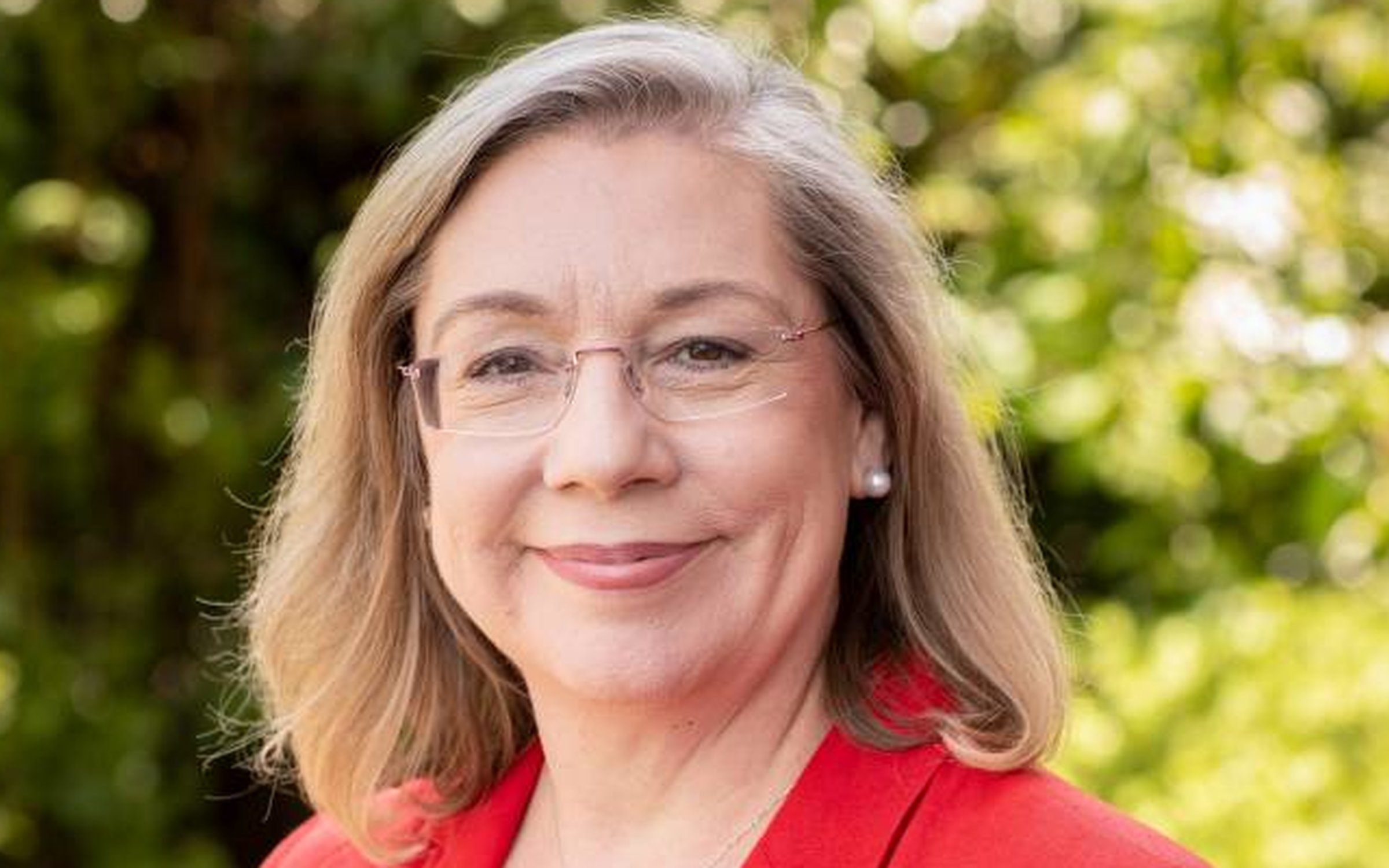

Video Q&A: In conversation with Vicki Sellick MBE, CEO of Good Things Foundation
Vicki Sellick MBE, CEO of Good Things Foundation joins Charity Times editor, Lauren Weymouth to discuss her leadership journey, the organisation’s new strategy and the findings of the Digital Nation 2026 report. She explores the challenges of digital inclusion, the opportunities and risks of AI, and how the sector can ensure nobody is left behind.
Video Q&A: Benefits of bespoke investment vs pooled funds for the third sector
In this Charity Times video Q&A, editor Lauren Weymouth speaks to Ed Caswell of RBC Brewin Dolphin to explore how charities can align investment strategies with their mission, balance income and growth, and adapt to changing needs. He discusses discretionary management, responsible investment and the importance of effective governance and regular portfolio reviews.
Charity Times Awards 2023


© 2021 Perspective Publishing Privacy & Cookies
Recent Stories