The majority of charities are ill-prepared for a no-deal Brexit and must do everything in their power to prevent it, new research has found.
A new survey conducted by Charity Finance Group found over a third of charities (38%) have made no preparations at all for a no-deal Brexit and just 8% are fully aware of the impact it will have on their charity.
The research found the majority of charities lack adequate preparations for a no-deal scenario – of the charities that responded, 83% said they have made little or no preparation.
According to the findings, the lack of preparedness was due primarily to a lack of understanding around the outcomes of a no-deal Brexit.
CFG found the vast majority (92%) had either a partial understanding or no understanding about what a no-deal outcome would mean to their charity.
When asked what their biggest concerns about a no-deal Brexit were, most respondents pointed to the lack of certainty.
“It is not surprising, but is worrying, that charities are ill-prepared for a no deal exit - the level of uncertainty has made organisational planning in this respect incredibly difficult,” CFG chief executive, Caron Bradshaw said.
“This level of unprecedented uncertainty, volatility and predicted economic disruption coupled with the non-tariff considerations, from workers’ rights to regulatory complexity, presents too great a risk to the UK and thus to civil society,” she said.
“So we call on all parties to prioritise the most vulnerable in our society, and do everything within their power to prevent a no-deal Brexit.”
CFG claims to have scrutinised the current withdrawal agreement and has called for MPs to vote against it in January’s vote, concluding that UK charities worse off than if remaining in the EU.
It claims a no-deal Brexit would be “the worst possible outcome” for civil society.

Latest News
-
Charities urge PM to put them ‘at the heart of his plans to rewire the British state’
-
CEO’s departure after only seven months sees charity consider previous candidates
-
Q&A: John Hannaford on balancing immediate needs with long-term impact
-
More than half of UK adults set to donate to charity over the next year, research finds
-
National Lottery funder calls for remit overhaul and more distributor link ups
-
Loss of NHS funding and rising costs force cancer charity to close





Beyond the funding squeeze: Using equities to secure your charity’s future
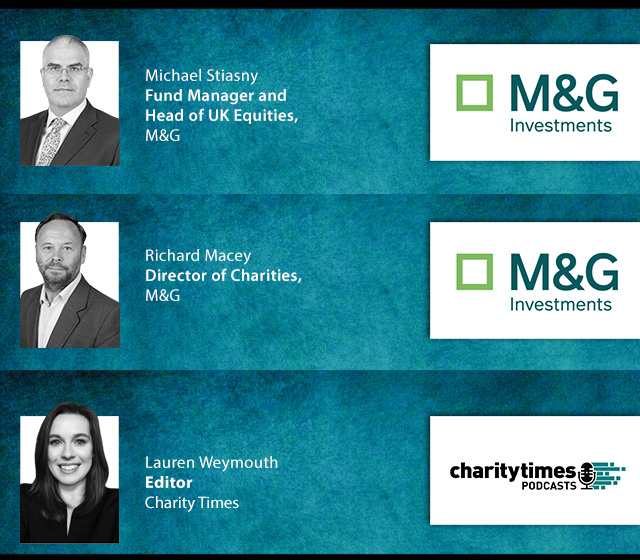
With charities facing increasing financial pressure and traditional income streams under strain, making investments work harder has never been more important. M&G’s Richard Macey and Michael Stiasny join Charity Times to discuss why equities remain a vital long-term asset class for charities, how organisations can balance income generation and growth, and the opportunities the current market environment may offer to help strengthen financial resilience.
Charity Times Awards 2023
Charity Times video Q&A: In conversation with Hilda Hayo, CEO of Dementia UK
Charity Times editor, Lauren Weymouth, is joined by Dementia UK CEO, Hilda Hayo to discuss why the charity receives such high workplace satisfaction results, what a positive working culture looks like and the importance of lived experience among staff. The pair talk about challenges facing the charity, the impact felt by the pandemic and how it's striving to overcome obstacles and continue to be a highly impactful organisation for anybody affected by dementia.




© 2021 Perspective Publishing Privacy & Cookies
Recent Stories