
A perception of their ‘moral goodness’ is leading to a lack of action within charities to tackle unethical behaviour, including corruption and sexual abuse, research is warning.
It warns that an ‘NGO halo’ is in place across many charities leading their leaders to prioritise their charitable ethos over acting against poor behaviour.
While the presence of “the NGO halo effect is not inherently problematic” states the research, it found evidence of it “in the majority of cases of unethical behaviour” it looked at.
Through analysis of 34 interviews with charity staff, 151 unique cases and 17 different types of unethical behaviour were identified. More than nine in ten of these cases were “related to the NGO halo effect”, the research found.
In more than one in five cases unethical behaviour was explained by charity staff through an “ends justify the means mentality”.
Racism, child abuse, sexual harassment, bullying, financial mismanagement, corruption, poor management of conflicts of interest and fraud where among types of unethical behaviour where the ‘halo effect’ was involved.
One respondent said that during a seven-year career with a charity they “encountered racism, sexism, intimidation, sexual and other transgressive behaviour, lying, slander, nepotism, and not addressing unethical behaviour even though you see it”.
In one in four cases “moral superiority” was prioritised over “legal or social norms”. In more than two in five cases “moral naivety” was found.
“An internal perception of moral goodness” within charities can drive its staff to “glorify this morality” and prioritise this perception of “moral goodness above other internal and external considerations,” states the research paper by Isabel de Bruin for her doctorate from the Erasmus University Rotterdam.
Her research adds that the ‘halo effect’ can “contribute to ethical blind spots within the organization that may enable unethical behaviours to arise or be used to justify or defend them when they do”.
She advises charities to be “aware of the ways in which perceptions of their mission, knowledge of what is right and moral, and people both internally and externally can be both assets and liabilities and seek to develop not only policies and procedures but also an organisational climate that truly promotes the ethics and values that they seek to embody”.
She adds: “This dissertation's findings emphasizes that the same organisational characteristics contributing to NGOs’ moral perception can also explain their susceptibility to ethical lapses.”


Latest News
-
Commission chair hits out at ‘thuggery and intimidation’ aimed at RNLI volunteers
-
Funders need to do more to avert charity infrastructure 'earthquake', says Commission chair
-
RSPB set to cut workforce by 6% amid ‘challenging economic backdrop’
-
Friday funding round up – 16 October
-
Directory of Social Change to close amid ‘huge financial pressures’
-
Rare banknotes charity shop donation raises over £85,000




Beyond the funding squeeze: Using equities to secure your charity’s future
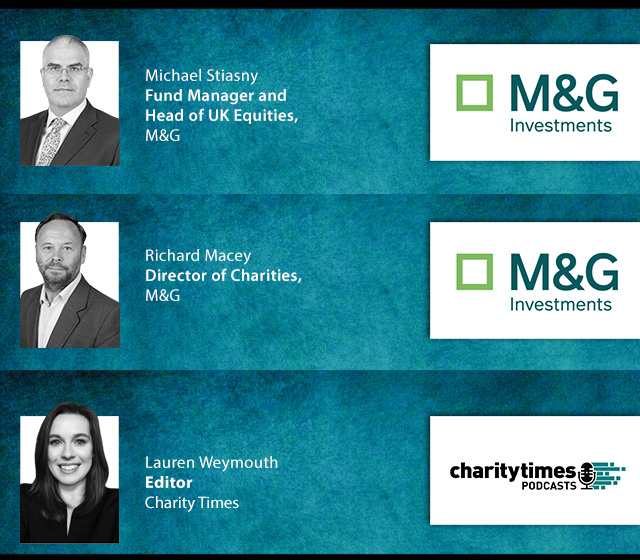
With charities facing increasing financial pressure and traditional income streams under strain, making investments work harder has never been more important. M&G’s Richard Macey and Michael Stiasny join Charity Times to discuss why equities remain a vital long-term asset class for charities, how organisations can balance income generation and growth, and the opportunities the current market environment may offer to help strengthen financial resilience.
Charity Times Awards 2023
Video Q&A: Benefits of bespoke investment vs pooled funds for the third sector
In this Charity Times video Q&A, editor Lauren Weymouth speaks to Ed Caswell of RBC Brewin Dolphin to explore how charities can align investment strategies with their mission, balance income and growth, and adapt to changing needs. He discusses discretionary management, responsible investment and the importance of effective governance and regular portfolio reviews.




© 2021 Perspective Publishing Privacy & Cookies
Recent Stories