A new report Total Place: A whole area approach to public services was published by the Department for Communities and Local Government yesterday setting out a transformation the way public services will be delivered in future.
The Total Place report sets out the changes being introduced following wide-ranging testing of the approach in 13 pilot areas and presents a series of commitments that will give greater freedoms and flexibilities to support a new relationship between government and places.
Though comments from pilot participants showed there was a misunderstanding within the statutory sector about the capacity of the voluntary and community sector, which may not be able to serve entire project areas at the same time.
Stuart Etherington, chief executive of NCVO, said: "This report rightly recognises the value voluntary organisations add to Total Place because of their understanding and expertise in particular issues and communities, their ability to work across organisational and geographical boundaries, and the trust and respect they have from local people."
The new ways of working pioneered by the pilots will be replicated across England; the best performing authorities will be supported to go further with new freedoms through a 'single offer', and a wider group of local authorities and their partners will be encouraged to pioneer new working in policy areas where they are strongest via 'devolved responsibility'.
Communities Secretary John Denham said: "The pilots have made a compelling case for a radical re-think in the way local services are provided and government is responding with equal ambition by delivering the freedoms and flexibilities to make that happen.
"For the first time all local spending is being looked at as a whole to fit around the needs of communities cutting out waste and duplication, while protecting and improving front line services."
Though Etherington warned: "The pilot projects show a mixed picture with some authorities failing to work with the sector at all. Voluntary organisations play a crucial role not only in delivering services but in developing successful policies and advocating and campaigning for disadvantaged people.
"It is vital that future projects get to grips with what our sector can offer and respect all three roles, something we will be working hard to ensure."
The report states the Third Sector can contribute to designing services better tailored to need, including by:
• facilitating community engagement and empowerment of citizens to be involved in design of their services
• using the sector's own aggregated expertise on needs of individuals and
communities and the solutionss and
• as a service provider, making a practical contribution in delivering services which are more efficient as well as more effective in responding to user needs.
Etherington added that it is important that statutory bodies understand and abide by the principles of the Compact in Total Place projects.

Latest News
-
Charities urged to prepare early for festive mobile giving spike
-
Record £370m dormant accounts haul for good causes ‘not expected to be repeated’
-
Friday funding round up – 18 September
-
Burnout and wellbeing issues impacting more than four in five frontline charity workers
-
‘Sustained financial pressures’ force creative sector charity to close
-
Run 4 Wales extends fundraising partnership





Beyond the funding squeeze: Using equities to secure your charity’s future
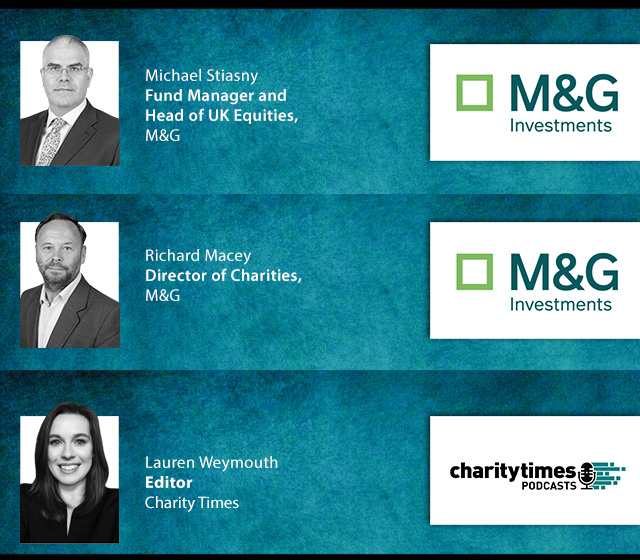
With charities facing increasing financial pressure and traditional income streams under strain, making investments work harder has never been more important. M&G’s Richard Macey and Michael Stiasny join Charity Times to discuss why equities remain a vital long-term asset class for charities, how organisations can balance income generation and growth, and the opportunities the current market environment may offer to help strengthen financial resilience.
Charity Times Awards 2023
Charity Times video Q&A: In conversation with Hilda Hayo, CEO of Dementia UK
Charity Times editor, Lauren Weymouth, is joined by Dementia UK CEO, Hilda Hayo to discuss why the charity receives such high workplace satisfaction results, what a positive working culture looks like and the importance of lived experience among staff. The pair talk about challenges facing the charity, the impact felt by the pandemic and how it's striving to overcome obstacles and continue to be a highly impactful organisation for anybody affected by dementia.





© 2021 Perspective Publishing Privacy & Cookies
Recent Stories