The deceased are rapidly becoming Britain’s most important fundraisers, as in memory giving nets record amounts for worthy causes.
According to data from JustGiving more than £27 million was raised on the website last year – with donations also up 32 per cent so far this year.
In fact, donating to a charitable cause is now the preferred mark of respect with two thirds of British adults (67%) choosing to make a donation to charity over flowers.
This giving takes place on close to 90,000 ‘in memory’ fundraising pages set up on JustGiving each year by friends and relatives raising money on behalf of loved ones, or in continuation of their fundraising efforts while they were alive.
However, despite this rise, the vast majority of ‘in memory’ giving still takes place at funeral and memorial services, where cash donations do not enjoy the same Gift Aid benefits as those made online.
Experts at JustGiving estimate that up to £25 million is lost in unclaimed Gift Aid per year on such ‘real world’ donations.
JustGiving is today calling on in memory fundraisers to move donations online so that charities can receive as much money as possible through Gift Aid.
Such online ‘in memory’ projects also raise more because they create a digital legacy for the deceased that can live on and even grow over the years.
Examples include:
Brighton Marathon runner Sam Harper-Brighouse, whose death triggered gifts of over £32,000 to his JustGiving page for Arms Around the Child
Opera singer Katherine Jenkins, running the London Marathon this year in memory of her father and raising over £26,000 for MacMillan Cancer Support.
The death of Margaret Thatcher, which led to a surge in donations to charities in her memory as well as of those who were affected by her policies, raised £52,000
In memory giving doesn’t just benefit the charities – it can also help people through the grieving process.
For example, Sands the Stillbirth and neonatal death charity, receives a significant proportion of their income from in memory giving each year.
Joe Levenson, director of communications for Dying Matters, which raises awareness of the importance of talking openly about death and grief, explained: “Fundraising in memory of someone who has died can be a great way to ensure that their legacy lives on, especially if they made it clear whilst they were alive that this was something that they wanted to happen or that they had a personal commitment to a particular charity.”
Fundraiser Alison Whitehead is one example. She has continued to raise money in memory of her late husband since he died from cancer in 2005, raising over £33,000.
Anne-Marie Huby, managing director at JustGiving, commented: “The ability to raise fund for good causes in memory of a lost loved one isn’t a new idea, but it’s being made so much easier and more effective through the Internet.
"The result is a permanent online legacy that reflects the person’s passions and personality in life that can help friends and family make sense of their loss and become an uplifting way of keeping their memories alive.”


Latest News
-
King’s Birthday Honours List pays tribute to charity leaders and fundraisers
-
Charity brands with 'momentum' among the public revealed
-
Regulators issue transparency plea to the public when fundraising
-
Two in three Brits feel ‘overwhelmed by the number of charity appeals’, survey finds
-
Charities retreating into ‘protection mode’ amid online hostility, warns NCVO
-
Regulator considering MP’s claim 32 charities ‘funnelled' £28m to illegal Israeli settlements





Charity Times video Q&A: In conversation with Hilda Hayo, CEO of Dementia UK
Charity Times editor, Lauren Weymouth, is joined by Dementia UK CEO, Hilda Hayo to discuss why the charity receives such high workplace satisfaction results, what a positive working culture looks like and the importance of lived experience among staff. The pair talk about challenges facing the charity, the impact felt by the pandemic and how it's striving to overcome obstacles and continue to be a highly impactful organisation for anybody affected by dementia.
Charity Times Awards 2023
Mitigating risk and reducing claims
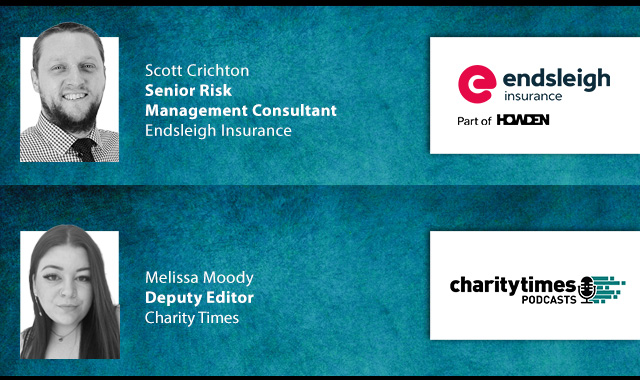
The cost-of-living crisis is impacting charities in a number of ways, including the risks they take. Endsleigh Insurance’s* senior risk management consultant Scott Crichton joins Charity Times to discuss the ramifications of prioritising certain types of risk over others, the financial implications risk can have if not managed properly, and tips for charities to help manage those risks.
* Coming soon… Howden, the new name for Endsleigh.
* Coming soon… Howden, the new name for Endsleigh.
Better Society




© 2021 Perspective Publishing Privacy & Cookies
Recent Stories