A sizeable chunk of coalition MPs: four in five of Tory MPs and a number of Lib Dem MPs, agree that “the provision of frontline services by charities will help cut costs” – with half (49%) of Tories and 7% of Lib Dems strongly agreeing with this statement, according to a new survey out today.
This contributes significantly to views held by government critics in the sector that the sector is being asked to do things on the cheap under the facade of the Big Society.
Only a quarter (26%) of Labour MPs agree, just 8% of them strongly. Indeed, half (49%) of Labour MPs actively disagree with the statement, 5% of them strongly.
Not-for-profit sector research consultancy nfpSynergy’s Charity Parliamentary Monitor surveyed a representative sample of 150 MPs (in May/June 2010), asking them to compare the importance of charities and social enterprises either side of the last General Election in May.
nfpSynergy researcher, Sarah Lincoln, commented: “The fact that coalition MPs think, albeit relatively half-heartedly in the Lib Dem camp, that charities and social enterprises are more important in times of public sector cost-cutting could be grounds either for joy or for gloom if you are a voluntary sector organisation - depending on whether or not you think this heralds extra government contracts, grants or support to enable you to help fill any expected resultant gaps in service provision.”
“The fact that Labour MPs seem especially sceptical may suggest that – quite apart from general annoyance at their former big-spend programme now being dismantled - they rather doubt there will be much new cash forthcoming, thus potentially leaving both charities and public without.”
Many Coalition MPs also believe that “charities and social enterprises are going to be more important to the new government than to the last one.”
However, Lib Dem MPs are noticeably less emphatic about this than their Conservative “partners”; and Labour MPs remain staunchly sceptical.
Interestingly, whilst nine out of 10 Tory (89%) and Lib Dem (88%) MPs agree with the above quoted statement, a hefty 72% of Tories, compared with just 30% of Lib Dems, strongly agree with it.
Meantime, only two in five (42%) Labour MPs can bring themselves to agree - just 14% of them strongly.
Indeed, well over a third (36%) of Labour MPs downright disagree with the statement, 6% of them strongly.


Latest News
-
British Heart Foundation to close almost one in four of its charity shops
-
Jobs at risk as RSPB looks to cut operating costs by 7%
-
Monday movers - 8 June
-
‘Lack of buy in’ from charity leaders hindering philanthropy, fundraising body warns
-
World’s wealthiest continue to be less generous than those in lower income countries
-
Seven in ten new regular donors recruited through face-to-face fundraising, survey finds





Charity Times video Q&A: In conversation with Hilda Hayo, CEO of Dementia UK
Charity Times editor, Lauren Weymouth, is joined by Dementia UK CEO, Hilda Hayo to discuss why the charity receives such high workplace satisfaction results, what a positive working culture looks like and the importance of lived experience among staff. The pair talk about challenges facing the charity, the impact felt by the pandemic and how it's striving to overcome obstacles and continue to be a highly impactful organisation for anybody affected by dementia.
Charity Times Awards 2023
Mitigating risk and reducing claims
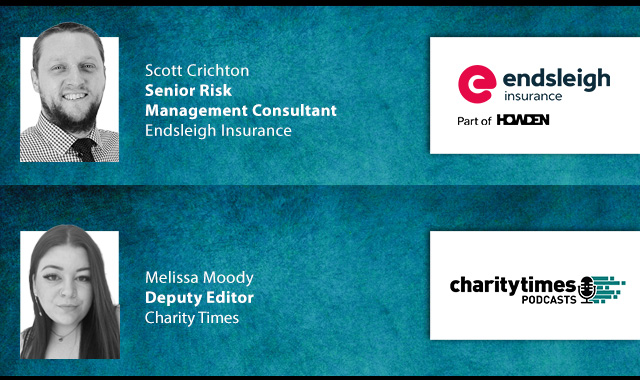
The cost-of-living crisis is impacting charities in a number of ways, including the risks they take. Endsleigh Insurance’s* senior risk management consultant Scott Crichton joins Charity Times to discuss the ramifications of prioritising certain types of risk over others, the financial implications risk can have if not managed properly, and tips for charities to help manage those risks.
* Coming soon… Howden, the new name for Endsleigh.
* Coming soon… Howden, the new name for Endsleigh.
Better Society




© 2021 Perspective Publishing Privacy & Cookies
Recent Stories