Last week’s Edelman Global Trust Barometer has huge implications for charities, but not because of its select findings on loss of trust in NGOs. We could dwell only on those of course, merely because they mention us by name. We could debate whether it’s any real comfort that we sustained the lowest ‘loss of trust’ among all the other public institutions. We could compare it with other polls on public trust in charities; debate the variations and trends in public perceptions of charities. However that would be to miss the point.
Read through the survey findings - all of them - and think not what it means for your charity’s reputation, think what the real people behind the statistics are actually feeling. See their plummeting faith in what they are being told, through every established source and medium. Feel the rising distrust about the motives and conduct of almost all the bodies and professionals who are meant to be there to help, represent and inform them. See the picture of growing alienation, isolation and loss of hope. These graphs and pie charts don’t aim to tell us whether people trust charities, but they do tell us what our service users are feeling about the society in which they live.
Bleak. I know. But I certainly don’t aim to spread despair here. If you’re a ‘glass half full’ kind of person (which most everyone I know in charities certainly tries to be), then let’s consider this: four out of five people in this detailed picture of disintegrating trust did not lose trust in charities. That – and our charitable missions themselves – place us in one of the most important societal positions of all to do something about how people feel; to be the people and organisations in their lives who are authentic and honest, even if everything else around them feels unbelievable; to be the human beings they can count on. We must listen to the findings that people do not trust spin and evasion, or extravagant promises of ready solutions, what they crave are hard honest truths and humble admissions of our human experiences, mistakes and limitations.
Trust is not a weather condition that sweeps across our sector like a tornado or a heatwave. Trust is a currency that we earn and rely upon in every element of our daily work – the oil that makes our organisational cogs turn. Without trust in our practitioners people won’t share their deepest personal stories and vulnerabilities, accept the credibility of our advice or ask for help in the first place. Without trust that it will make a positive difference people will not give us their time as volunteers, or put their creativity and passion into supporting our causes. Without trust in our motives people will not gift us money, buildings, legacies.
Every day, in a million small and important ways, people show us what real trust is when they trust us with their feelings and fears, their safety, and their heartfelt hopes that we can help them create real change. Without much money even the smallest charities and community groups can do incredible things, but without trust we simply cannot function. We cannot afford to be complacent or take that trust for granted. Like any currency, trust can be squandered and lost altogether, and when it is, it’s near impossible to rebuild. But we still have more trust in reserve and coursing through our day-to-day machinery than most other ‘public institutions’, who are hemorrhaging trust, and fast.
If what happened financially in 2008 was called a ‘Credit Crunch’, then the Edelman Barometer is charting a societal ‘Trust Crash’. It’s an urgent call to action for the charity sector, but not to defend our own records or reputations; not to communicate more cleverly; nor to have better data. It demands of us to lead the nation’s ‘trust recovery’ for people who are feeling abandoned, isolated, frightened and betrayed. We don’t just need to be trusted ourselves, we need to use our trusted relationships with the people we serve to build bridges and create wider change, be part of rebuilding trust between people, communities and their public and political institutions.
Kathy Evans is chief executive of Children England, an infrastructure body for the children's voluntary sector.

Latest News
-
Exclusive: Lack of progress on diversity continues to blight leadership opportunities
-
Jamie Simpson: Anniversaries are an opportunity for charities to look to the future
-
RNLI chief condemns ‘wholly unacceptable’ abuse of staff
-
Dismay over youth suicide prevention charity's collapse
-
Charity leaders call for expansion of micro and one-off volunteering opportunities
-
Charities Aid Foundation names next CEO


Beyond the funding squeeze: Using equities to secure your charity’s future
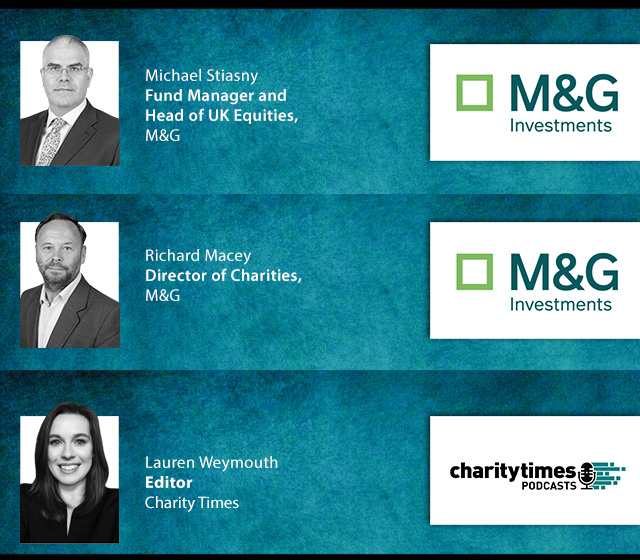
With charities facing increasing financial pressure and traditional income streams under strain, making investments work harder has never been more important. M&G’s Richard Macey and Michael Stiasny join Charity Times to discuss why equities remain a vital long-term asset class for charities, how organisations can balance income generation and growth, and the opportunities the current market environment may offer to help strengthen financial resilience.
Charity Times Awards 2023
Charity Times video Q&A: In conversation with Hilda Hayo, CEO of Dementia UK
Charity Times editor, Lauren Weymouth, is joined by Dementia UK CEO, Hilda Hayo to discuss why the charity receives such high workplace satisfaction results, what a positive working culture looks like and the importance of lived experience among staff. The pair talk about challenges facing the charity, the impact felt by the pandemic and how it's striving to overcome obstacles and continue to be a highly impactful organisation for anybody affected by dementia.


© 2021 Perspective Publishing Privacy & Cookies
Recent Stories