Charity Times Awards winning charity Personal Finance Education Group (PFEG) along with 225 MPs, is campaigning for financial literacy to become a compulsory part of the national curriculum in England within maths and PSHE, or personal, social and health education.
Tracey Bleakley, chief executive of the Personal Finance Education Group, said: “The financial situations that young people get into are getting more complicated now and it’s getting harder for them to make mistakes without repercussions.
“We have to help children get into good habits at school, encourage the concept of saving, and everyone – parents, teachers, politicians, the financial industry, seems to back that.”
Lessons in personal finance are already compulsory in Northern Ireland, Scotland and Wales and campaigners say that it makes no sense to exclude English children.
By the age of 10 a third of children will have used their parent’s credit card to make an online purchase, according to a financial education charity, but few have any understanding of debt and how it can mount up.
Mark Garnier, vice-chairman of the all-party parliamentary group for financial education for young people, added: “It’s diabolical that this subject hasn’t been included in the curriculum already. We need to make sure the next generation are financially literate. Compulsory financial education could avert the next financial crisis.”
The financial regulator has also been vocal on the need for education to prevent consumers from being mis-sold products such as payment protection insurance, which has cost UK banks £11bn in compensation so far.
Personal finance almost entered the national curriculum in 2010 as part of the children, schools and families bill but was dropped when a controversial aspect of the curriculum concerning sex education met with opposition.
The Department for Education said there had been widespread interest in the national curriculum review from groups involved in all subjects but acknowledged the importance of financial education.
The global financial crisis and subsequent recession have left children in the UK feeling worried and insecure about money, noted Bleakley.
Last year a group of 16-25 year olds were asked to describe their biggest fear. The most common answer was “debt”.

Latest News
-
One in four charities globally fear for their future
-
PM's pledge leads to charity support boost among millennials
-
Free toolkit launches to help charity trustees oversee their asset managers
-
Next generation of philanthropists ‘asking tougher questions’
-
Small charities leadership programme to expand following £450,000 grant
-
Monday movers – 21 September 2026





Beyond the funding squeeze: Using equities to secure your charity’s future
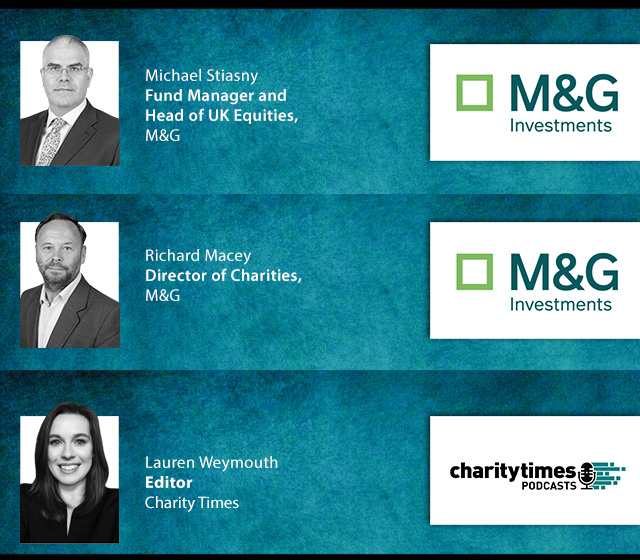
With charities facing increasing financial pressure and traditional income streams under strain, making investments work harder has never been more important. M&G’s Richard Macey and Michael Stiasny join Charity Times to discuss why equities remain a vital long-term asset class for charities, how organisations can balance income generation and growth, and the opportunities the current market environment may offer to help strengthen financial resilience.
Charity Times Awards 2023
Charity Times video Q&A: In conversation with Hilda Hayo, CEO of Dementia UK
Charity Times editor, Lauren Weymouth, is joined by Dementia UK CEO, Hilda Hayo to discuss why the charity receives such high workplace satisfaction results, what a positive working culture looks like and the importance of lived experience among staff. The pair talk about challenges facing the charity, the impact felt by the pandemic and how it's striving to overcome obstacles and continue to be a highly impactful organisation for anybody affected by dementia.





© 2021 Perspective Publishing Privacy & Cookies
Recent Stories