The Charity Commission has today published a draft version of online guidance to help trustees gain confidence in their decision making and judgement.
It’s your decision – guidance on decision making for charity trustees sets out the principles that should guide trustees when considering important decisionsfor their charity and assessing risks associated with their decisions.
This is the first time the Commission has drawn up a guide aimed at supporting trustees in all of their important decision making,and the regulator is calling on trustees to share their thoughts on content, style and approach.
The guidance stresses that the Commission does not run or direct charities and that it is for trustees to determine what is in a charity’s best interest.
The Commission does not monitor trustees’ decisions and trustees in turn should not need to check with the Commission whether any decision they have made is ‘correct’.
However, in charity law, trusteesmustfollow certain principles in making decisions, including ensuring they:
• Act within their powers
• Act in good faith and only in the interests of the charity
• Adequately inform themselves
• Take into account all relevant factors
• Disregard any irrelevant factors
• Manage conflicts of interest
• Make decisions that are within the range of decisions that a reasonable trustee body would make
The guidance also suggests what trustees should do if they cannot agree, explains when trustees need to ask the Commission for advice and under what circumstances the Commission might get involved.
Jane Hobson, head of policy at the Commission, said: “This is the first time we have produced guidance that focuses specifically on trustee decision making. We are therefore keen to make sure this new tool is of practical use for trustees – and helps them understand how to use their discretion in running their charity.
"It’s important for trustees to feel reassured that, so long as they followcertain key principles, they are unlikely to be challenged by us as regulator – even if their decisions meet with criticism. I would like to encourage trustees and their advisers to read the draft guidance and share their views and any suggestions with us."
The publication comes as part of the Commission’s commitment to developing the self-reliance of charities, and follows other recently published tools, such as the Trustee handbookand the Partners directory– an online list of umbrella organisations able to offer charities tailored advice.

Latest News
-
Trussell receives UK’s first donation made entirely through an AI agent
-
Half of charity leaders issue redundancy warning, survey finds
-
Strike ends at cancer charity after workers accept pay increase
-
Reach Volunteering saved from closure after ‘unprecedented’ group of funders steps in
-
One in four charities globally fear for their future
-
PM's pledge leads to charity support boost among millennials





Beyond the funding squeeze: Using equities to secure your charity’s future
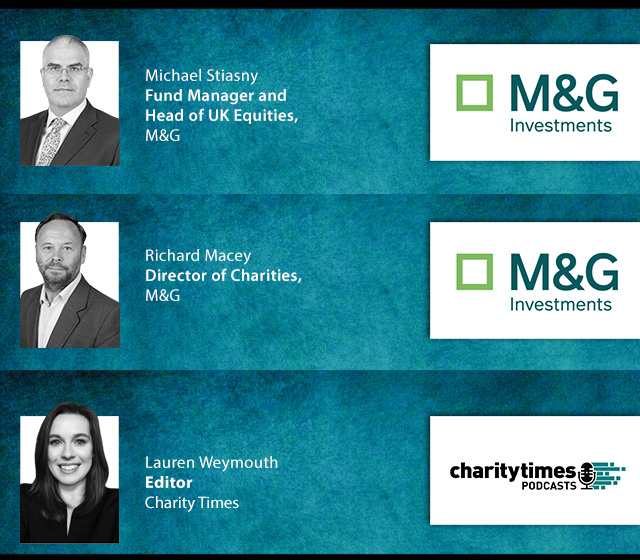
With charities facing increasing financial pressure and traditional income streams under strain, making investments work harder has never been more important. M&G’s Richard Macey and Michael Stiasny join Charity Times to discuss why equities remain a vital long-term asset class for charities, how organisations can balance income generation and growth, and the opportunities the current market environment may offer to help strengthen financial resilience.
Charity Times Awards 2023
Charity Times video Q&A: In conversation with Hilda Hayo, CEO of Dementia UK
Charity Times editor, Lauren Weymouth, is joined by Dementia UK CEO, Hilda Hayo to discuss why the charity receives such high workplace satisfaction results, what a positive working culture looks like and the importance of lived experience among staff. The pair talk about challenges facing the charity, the impact felt by the pandemic and how it's striving to overcome obstacles and continue to be a highly impactful organisation for anybody affected by dementia.





© 2021 Perspective Publishing Privacy & Cookies
Recent Stories