An evaluation by the think-tank Demos finds that mentoring programmes can offer direct, positive outcomes – including on aspirations, a sense of agency, and soft skills – for both mentors and mentees.
It finds that two-thirds of mentors surveyed believed that their experience had given them extra professional and ‘soft’ skills. When those who felt it was ‘too early to say’ were discounted, this figure grew to 90 per cent.
Many felt that being a mentor gave them a better understanding of young people today (74 per cent); a feeling that they were giving something back (80 per cent); and improved communication skills (31 per cent).
Demos conducted research with secondary school students from black and minority ethnic (BME) backgrounds to assess the value of Mosiac mentoring programmes – particularly regarding their impact on aspirations.
The research, A model role evaluation of mosaic mentoring programmes, finds that those on the Mosaic mentoring programme felt more confident of getting into university, as there was a 17 per cent increase in their belief that a university application would be successful.
Being on the mentoring programme was also accompanied by an 11 per cent increase in the likelihood of mentees wanting to go to university.
Those on the programme in receipt of free school meals also had a lack of confidence and low aspirations.
After mentoring, whether a young person was in receipt of free school meals was no longer a significant indicator of their confidence about finding a job.
Jamie Bartlett, author of the report, said: “This is one of the first systematic efforts to evaluate the effects of a mentoring programme on ‘soft skills’ – the aspirations, attitudes and personality traits – of young people that take part.
"These are an essential aspect of success and well-being in modern Britain and mentoring work can make a genuine impact in encouraging these skills to be developed. These can be especially important for black and ethnic minority groups who often find it difficult to turn vague aspirations into reality.
“Rarely is the real impact these schemes can have on mentors, as well as mentees, properly understood. Mentors, on the whole, feel better informed about and connected to young people – which we know can contribute to better community cohesion – and mentees are guided out of a self-confidence cul-de-sac. It’s a win-win situation.”
Jonathan Freeman, national director of Mosaic said: “It is hugely important to us to know that our mentoring programmes deliver real impact to the young people we serve in some of the most disadvantaged communities.
"It is a real boost to discover that the young people get tangible benefits from our work but also that the volunteers benefit so much as well.”


Latest News
-
British Heart Foundation to close almost one in four of its charity shops
-
Jobs at risk as RSPB looks to cut operating costs by 7%
-
Monday movers - 8 June
-
‘Lack of buy in’ from charity leaders hindering philanthropy, fundraising body warns
-
World’s wealthiest continue to be less generous than those in lower income countries
-
Seven in ten new regular donors recruited through face-to-face fundraising, survey finds





Charity Times video Q&A: In conversation with Hilda Hayo, CEO of Dementia UK
Charity Times editor, Lauren Weymouth, is joined by Dementia UK CEO, Hilda Hayo to discuss why the charity receives such high workplace satisfaction results, what a positive working culture looks like and the importance of lived experience among staff. The pair talk about challenges facing the charity, the impact felt by the pandemic and how it's striving to overcome obstacles and continue to be a highly impactful organisation for anybody affected by dementia.
Charity Times Awards 2023
Mitigating risk and reducing claims
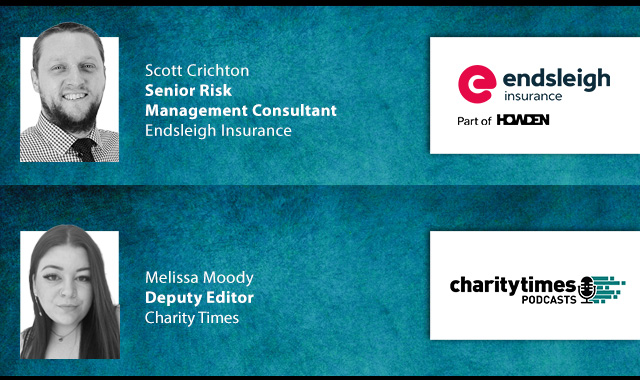
The cost-of-living crisis is impacting charities in a number of ways, including the risks they take. Endsleigh Insurance’s* senior risk management consultant Scott Crichton joins Charity Times to discuss the ramifications of prioritising certain types of risk over others, the financial implications risk can have if not managed properly, and tips for charities to help manage those risks.
* Coming soon… Howden, the new name for Endsleigh.
* Coming soon… Howden, the new name for Endsleigh.
Better Society





© 2021 Perspective Publishing Privacy & Cookies
Recent Stories