Researchers at the Institute of Development Studies (IDS) today welcomed the UK Parliament’s International Development Committee report into private foundations and called for a new relationship between private foundations and those working to end global poverty.
The IDC inquiry, to which IDS submitted evidence, concluded “private philanthropy is improving the lives of some of the world’s poorest people but the Department for International Development (DFID) must do more to engage private foundation in coordinated global efforts to improve the effectiveness of aid”.
Specifically, the report said foundations should sign up to the International Aid Transparency Initiative guidelines and it called for the appointment of a new designated DFID official to deal with foundations.
Dr Noshua Watson, IDS research fellow on the Bellagio Initiative, a Rockefeller Foundation-funded programme exploring the future of philanthropy and international development, gave oral evidence at the IDC inquiry.
She said: “The rapidly growing role of private funding in international development is to be welcomed as governments and international organisations rein in their spending in response to today’s difficult economic climate.
"However, the ways in which the development and philanthropic sectors work together are often unclear, so the potential for innovation and greater effectiveness can be missed. There are great opportunities for creative and productive new forms of collaboration between philanthropy and development based on new combinations of players.
"The Parliament’s IDC report, and in particular the recommendation that DFID takes a more systematic approach in its relations with foundations, is a very encouraging step towards accomplishing this.”
In its IDC inquiry submission, IDS said private foundations had an important and growing role to play in international development.
However it stressed that private foundations need to:
Improve transparency
Better align their intentions with recipients’ needs
Better align their activities with other key donors’ activities and priorities
Introduce inclusive decision-making processes
It also warned of dangers associated with an over-reliance on the use of high-profile development advocates such as Bob Geldof and Bill Clinton.
While such individuals may bring issues to a wider audience, tying an issue to a celebrity’s profile can result in difficulties should that profile wane. Issues can also become oversimplified.
The submission concluded: "While these issues need to be addressed it is also important to remember that private foundations and philanthropy can bring exciting new sources of funding and impetus to achieving international development priorities.”
Dr Watson and other development experts at IDS are currently finalising a report containing the findings from the Bellagio Initiative.
The report, which will contain a clear action agenda for improved philanthropic and development collaboration, will be published at the end of February 2012.
Read the International Development Committee report here.


Latest News
-
Criticism of senior MP’s 'outdated' comparison of charity retail with ‘vape shops’
-
Working Families closes following ‘a sustained period of financial challenge’
-
Case study: How charities can best protect their storytellers
-
British Heart Foundation to close almost one in four of its charity shops
-
Monday movers - 8 June
-
Jobs at risk as RSPB looks to cut operating costs by 7%





Charity Times video Q&A: In conversation with Hilda Hayo, CEO of Dementia UK
Charity Times editor, Lauren Weymouth, is joined by Dementia UK CEO, Hilda Hayo to discuss why the charity receives such high workplace satisfaction results, what a positive working culture looks like and the importance of lived experience among staff. The pair talk about challenges facing the charity, the impact felt by the pandemic and how it's striving to overcome obstacles and continue to be a highly impactful organisation for anybody affected by dementia.
Charity Times Awards 2023
Mitigating risk and reducing claims
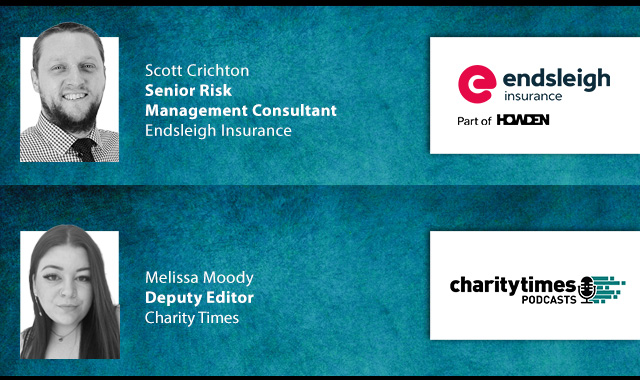
The cost-of-living crisis is impacting charities in a number of ways, including the risks they take. Endsleigh Insurance’s* senior risk management consultant Scott Crichton joins Charity Times to discuss the ramifications of prioritising certain types of risk over others, the financial implications risk can have if not managed properly, and tips for charities to help manage those risks.
* Coming soon… Howden, the new name for Endsleigh.
* Coming soon… Howden, the new name for Endsleigh.
Better Society





© 2021 Perspective Publishing Privacy & Cookies
Recent Stories