The Independent Commission for Aid Impact (ICAI) has today published two case study based reports on: DFID’s use of contractors to deliver aid programmes; and DFID’s Support for Civil Society Organisations through Programme Partnership Arrangements (PPAs).
ICAI has given both programmes a rating of Green-Amber.
Graham Ward, ICAI Chief Commissioner, said: “The case studies that we examined for both DFID’s use of contractors and programme partnership arrangements show promise for impact on intended beneficiaries. Civil society organisations and private sector contractors are valuable delivery mechanisms for aid and we have made a series of recommendations to increase the value that they deliver.”
The reports provide insight into DFID’s use of third parties to deliver aid programmes through different channels and mechanisms. In the evidence that we considered, both civil society organisations and contractors have helped to drive innovation and, while it is too early to say whether all the programmes will have a sustainable impact, the signs are promising.
The overall rating for the programmes we examined is Green-Amber.
ICAI reviewed the DFID Central Procurement Group and a range of programmes with a combined contract value of £264 million.
The case studies show that contractors are an effective option for delivering aid. DFID has selected contractors that have delivered positive results at competitive fee rates.
DFID’s poor end-to-end programme management, however, has led to delays. In the case studies that we examined, this has had the greatest impact during the mobilisation phase and is exacerbated by a lack of ‘whole life’ individual responsibility for programmes.
In addition, learning is not being captured from contractors or used to inform future programming.
The reform of DFID’s central procurement group has improved processes but is too slow and lacks prioritisation.
As a result, decisions to use contractors are not guided by a strategic plan to deploy the right contractors, including major, niche and innovative new entrant organisations, to best effect.
DFID makes grants to a value of between £151,000 and £11 million per year to 41 civil society organisations (CSOs) that share its objectives and that it believes are strong delivery partners. Our review considered six PPA agreements of varying size and type.


Latest News
-
Criticism of senior MP’s 'outdated' comparison of charity retail with ‘vape shops’
-
Working Families closes following ‘a sustained period of financial challenge’
-
Case study: How charities can best protect their storytellers
-
British Heart Foundation to close almost one in four of its charity shops
-
Monday movers - 8 June
-
Jobs at risk as RSPB looks to cut operating costs by 7%





Charity Times video Q&A: In conversation with Hilda Hayo, CEO of Dementia UK
Charity Times editor, Lauren Weymouth, is joined by Dementia UK CEO, Hilda Hayo to discuss why the charity receives such high workplace satisfaction results, what a positive working culture looks like and the importance of lived experience among staff. The pair talk about challenges facing the charity, the impact felt by the pandemic and how it's striving to overcome obstacles and continue to be a highly impactful organisation for anybody affected by dementia.
Charity Times Awards 2023
Mitigating risk and reducing claims
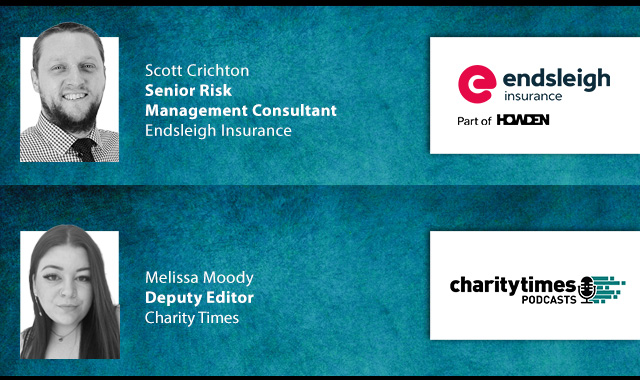
The cost-of-living crisis is impacting charities in a number of ways, including the risks they take. Endsleigh Insurance’s* senior risk management consultant Scott Crichton joins Charity Times to discuss the ramifications of prioritising certain types of risk over others, the financial implications risk can have if not managed properly, and tips for charities to help manage those risks.
* Coming soon… Howden, the new name for Endsleigh.
* Coming soon… Howden, the new name for Endsleigh.
Better Society





© 2021 Perspective Publishing Privacy & Cookies
Recent Stories